Advanced IVF, IUI & ICSI treatments with highest success rates — compassionate care for every step of your fertility journey.
State-of-the-art IVF lab, experienced embryologists and personalised protocols for the best possible outcomes.
Comprehensive care across pregnancy, fertility and advanced gynaecology — delivered with privacy, safety and compassion.
15+ years of expertise, advanced labs and personalised treatment plans.
Advanced facial & body cosmetic procedures by expert surgeons — natural results, minimal downtime, maximum confidence.
Board-certified surgeons delivering natural, beautiful results with the latest techniques.
Expert reconstructive & plastic surgery for hand, birth deformities, cancer reconstruction and trauma — restoring form and function with precision.
Advanced body contouring, breast surgeries & intimate procedures by expert surgeons — natural results, renewed confidence.
Advanced laser skin treatments, intimate wellness procedures & expert hair restoration — all under one roof.
State-of-the-art laser tech & hair restoration by certified specialists.
Comprehensive fertility, hormonal & genetic diagnostics for females and males — accurate, fast and confidential.
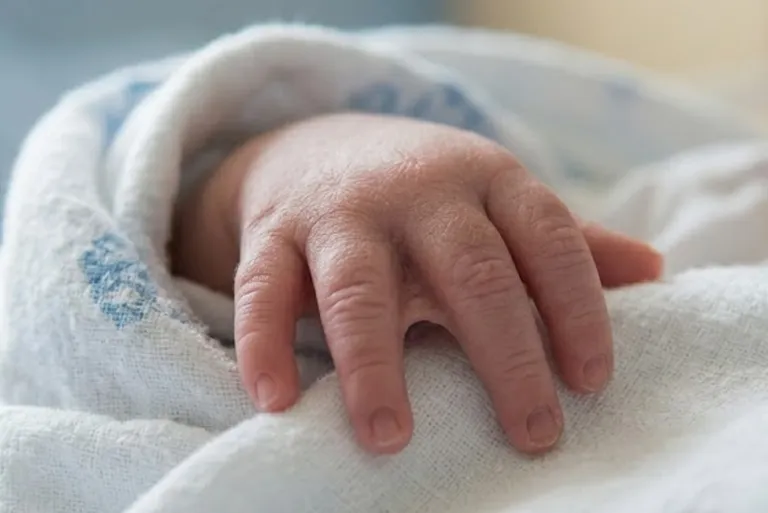
Syndactyly surgery separates fused fingers or toes to improve hand use, foot comfort, growth alignment and appearance.
Our specialists assess the degree of fusion, bone involvement, skin availability and timing before planning safe staged or single-stage correction.
The treatment supports better function, independence and confidence with child-focused hand reconstruction in Jodhpur.
Our surgical team begins with a thorough assessment of the affected digits, the degree of fusion, the structures involved, and the child’s overall health and developmental stage. This evaluation determines the most appropriate timing and technique for the correction. The procedure is performed under general anaesthesia and involves precise separation of the joined digits followed by careful skin reconstruction to ensure that the newly separated fingers are well covered, heal cleanly, and develop normal movement patterns. Where skin grafting is required, donor sites are chosen with care to minimise any secondary impact. Splinting and physiotherapy in the post-operative period support the best possible movement recovery.
At Galwa Care Hospital, our commitment to every family extends well beyond the operating room. Parents receive clear, honest guidance at every stage of the process, from the first consultation through to the final follow-up reviews as the child grows. We understand that navigating a birth condition as a parent can be emotionally demanding as well as practically complex, and our team is consistently accessible, warm, and supportive throughout. Most children adapt remarkably well following syndactyly correction, and the improvement in their hand function, appearance, and confidence is typically profound and lasting.


Syndactyly is a congenital condition where two or more fingers or toes are fused together. The fusion can involve only the skin or extend to the underlying tendons and bones. Surgery is the recommended treatment when the fusion is affecting or is likely to affect hand or foot function, normal development, or the growth of the fused digits. Mild cases involving toes with no functional impact may sometimes be managed without surgery, but cases involving the fingers of the hand are almost always best treated surgically to support normal development.
Surgery is most commonly performed in early childhood, typically between six months and two years of age depending on the severity and the digits involved. Early correction is recommended for hand syndactyly in particular because the bones of the fingers grow at different rates, and leaving them fused can cause curving, growth restriction, or developmental problems. The exact timing is determined individually based on the child's health, the complexity of the fusion, and the surgeon's assessment of the optimal developmental window.
The procedure involves carefully separating the fused digits and reconstructing the skin between them, often using skin grafts from a discreet donor site such as the groin or inner arm to ensure adequate coverage without tension. Scars are inevitable with any surgical correction but are minimised through careful surgical technique and strategic incision planning. They continue to fade and soften over months and years following surgery, and most patients are left with marks that are subtle and well-tolerated.
Physiotherapy and hand therapy are often recommended after syndactyly surgery, particularly for hand corrections, to help the child develop movement, strength, and coordination in the newly separated fingers. Splinting may also be used in the initial recovery period. The surgical correction is permanent, and recurrence is rare when the procedure has been performed with proper technique. Long-term follow-up ensures that development is progressing well and that any additional procedures, which are sometimes needed in complex cases, are planned at the right time.
Yes, syndactyly can affect the fingers of one or both hands and the toes of one or both feet, and in some cases involves both the hands and feet simultaneously. Adults who did not receive treatment during childhood can absolutely benefit from surgical correction, and the procedure is as safe and effective for adult patients as it is for children. The surgical planning may differ slightly as the anatomy has fully matured, but the goals of improved function and natural appearance remain the same, and outcomes are consistently positive.