Shopping cart

Subtotal 0

View cartCheckout

Vascular Injuries Management Jodhpur

Understanding Vascular
Injuries Management

Vascular injury management treats damaged blood vessels after trauma, cuts, crush injuries or complex wounds that threaten tissue survival.

Our specialists assess circulation, bleeding, nerve and soft tissue injury before planning repair, reconstruction and wound coverage.

Timely care helps protect the limb, reduce complications and improve functional recovery after serious injury.

RESTORE FLOW, SAVE TISSUE

How we help at
Galwa Care Hospital

At Galwa Care Hospital, vascular injury management combines urgent surgical expertise, microsurgical precision, and
comprehensive post-operative monitoring to restore blood flow, protect tissue viability, and prevent limb loss.

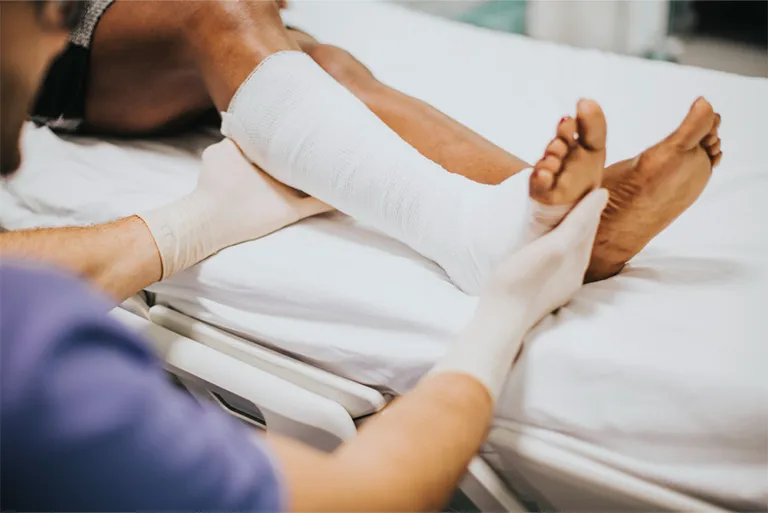
Our surgical team responds to vascular injuries with the urgency that the time-sensitive nature of this condition demands. Assessment on presentation covers the clinical signs of vascular compromise, the mechanism and site of injury, and the investigations needed to plan repair, which may include Doppler ultrasound or CT angiography depending on the clinical situation and the time available. The surgical plan is made based on this assessment, with the priority always being the restoration of blood supply to the threatened tissue as quickly and safely as possible. Associated bone, tendon, and soft tissue injuries are addressed in the appropriate sequence alongside the vascular repair, with soft tissue coverage of repaired structures using flap or graft techniques where required.

At Galwa Care Hospital, post-operative care following vascular injury repair is closely structured, with careful monitoring of the repaired vessel and the tissues it supplies in the critical post-operative period. Any signs of recurrent vascular compromise are acted upon promptly, and the team remains accessible around the clock during the early recovery phase when re-intervention may be needed. Rehabilitation is incorporated into the recovery plan once the acute vascular repair has stabilised, with physiotherapy addressing any functional deficits caused by associated soft tissue, nerve, or bone injuries alongside the vascular damage. Our commitment is to achieve not just successful vascular repair but the best possible long-term functional outcome for every patient.

TIME DECIDES THE OUTCOME

Why and For Whom Is Vascular
Injuries Management Important?

Vascular injury management is a surgical emergency for anyone with signs of compromised blood supply to a limb or
organ, because the window between vascular injury and irreversible tissue loss is measured in hours.

Traumatic injuries to arteries or veins caused by penetrating wounds, lacerations, or sharp trauma.

Deep cuts, crush injuries, or accidental lacerations compromising the blood supply to a limb.

Excessive or uncontrolled bleeding or signs of circulatory compromise following any accident.

Vascular complications arising during or after orthopaedic, general, or vascular surgical procedures.

Diabetic vascular disease causing progressive arterial compromise that is impairing wound healing.

Peripheral arterial disease leading to reduced blood flow threatening tissue viability in the limb.

Penetrating injuries to the limbs, trunk, or neck involving major or named blood vessels.

Clinical signs of ischaemia including pallor, cold skin, absent pulse, or progressive numbness.

Microsurgical reconstruction of damaged or disrupted blood vessels to restore circulation.

Limbs at serious risk of loss due to absent or critically impaired blood supply requiring urgent salvage.

Shape Image

Questions & Answers

Frequently Asked Questions.

A vascular injury is any damage to an artery, vein, or smaller blood vessel that disrupts normal blood flow. Arteries carry oxygenated blood to tissues, and without that supply tissue begins to die within hours. Veins drain blood from tissues, and their disruption causes congestion, swelling, and compartment syndrome that can be equally damaging. The speed of treatment is critical because every minute without adequate blood supply to a tissue increases the extent of irreversible damage. At Galwa Care Hospital, vascular injuries are treated with the highest level of urgency, with assessment and surgical planning initiated immediately on presentation.

Vascular injury is suspected and assessed clinically through examination of the limb for the classic signs of arterial compromise, including pallor or mottled skin colour, coldness compared to the unaffected limb, absent or reduced pulse, progressive numbness or weakness, and severe pain out of proportion to the apparent injury. These findings indicate an emergency requiring immediate imaging and surgical intervention. Doppler ultrasound provides rapid bedside assessment of blood flow, and CT angiography gives detailed mapping of the vessel injury and helps plan the surgical approach. Any of these warning signs following an injury should prompt immediate emergency evaluation.

The technique used depends on the nature and extent of the vessel injury. Small lacerations or partial tears may be repaired directly by suturing the vessel wall. Larger defects that cannot be closed without narrowing the vessel are repaired using a patch of vein or synthetic material. Where a segment of vessel has been destroyed or is missing, an interposition graft using a length of vein harvested from elsewhere in the body bridges the gap and restores continuity. In complex cases performed under microscopic magnification, microvascular anastomosis reconnects very fine vessels with precision. Fascia release may also be performed alongside vascular repair to address compartment syndrome.

With timely and technically precise repair, blood flow through repaired vessels can be successfully restored in the majority of cases. The functional outcome depends on the extent of any associated tissue damage that occurred before or during the repair, the presence of associated nerve injuries, and how effectively any complications are managed in the post-operative period. Rehabilitation is an important component of recovery particularly when vascular injury is accompanied by nerve, bone, or soft tissue damage. Physiotherapy addresses functional deficits in the limb, working to restore strength, mobility, and coordination as the repaired and recovering tissues allow.

In many cases, successfully repaired blood vessels function well in the long term and the patient recovers normal or near-normal limb function. However, repaired vessels carry a small risk of developing narrowing or occlusion over time, and long-term surveillance using Doppler studies may be recommended to monitor their patency. Associated nerve injuries, which often accompany vascular trauma, can take many months to recover and may leave permanent partial deficits. At Galwa Care Hospital, long-term follow-up is offered to every vascular injury patient to monitor vessel function, nerve recovery, and overall limb health, with early intervention available if any problem is identified.

Appointment Request Form

Care Packages for Every Stage

Take the First Step Towards Better Care

Schedule your personalized consultation at Galwa Care Hospital to experience medical expertise combined with compassionate support for every patient journey
GALWA CARE