Advanced IVF, IUI & ICSI treatments with highest success rates — compassionate care for every step of your fertility journey.
State-of-the-art IVF lab, experienced embryologists and personalised protocols for the best possible outcomes.
Comprehensive care across pregnancy, fertility and advanced gynaecology — delivered with privacy, safety and compassion.
15+ years of expertise, advanced labs and personalised treatment plans.
Advanced facial & body cosmetic procedures by expert surgeons — natural results, minimal downtime, maximum confidence.
Board-certified surgeons delivering natural, beautiful results with the latest techniques.
Expert reconstructive & plastic surgery for hand, birth deformities, cancer reconstruction and trauma — restoring form and function with precision.
Advanced body contouring, breast surgeries & intimate procedures by expert surgeons — natural results, renewed confidence.
Advanced laser skin treatments, intimate wellness procedures & expert hair restoration — all under one roof.
State-of-the-art laser tech & hair restoration by certified specialists.
Comprehensive fertility, hormonal & genetic diagnostics for females and males — accurate, fast and confidential.
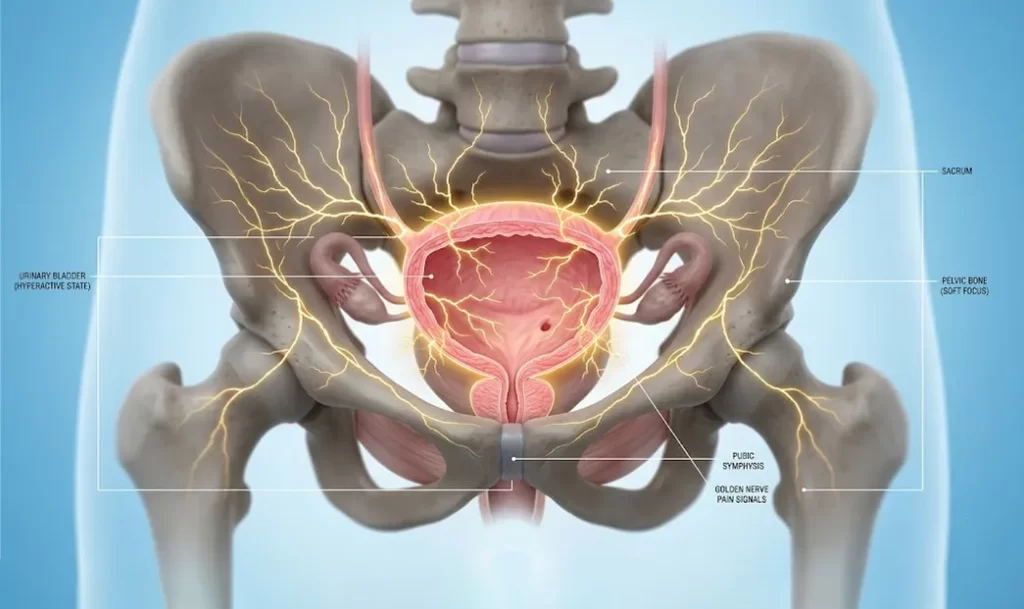
Urinary incontinence is the involuntary leakage of urine, a condition far more common among women than most people realise, yet one that continues to be silently endured due to embarrassment and lack of awareness. It occurs when the muscles and tissues supporting the bladder and urethra weaken or lose their functional integrity, making it difficult to control the urge or act of urination. Women are particularly vulnerable due to the unique physical demands of pregnancy, childbirth, hormonal changes during menopause, and the natural aging process, all of which can progressively compromise the strength and coordination of the pelvic floor muscles that regulate bladder function.
For many women, urinary incontinence is not just a physical inconvenience. It is a condition that quietly erodes quality of life, affecting daily routines, physical activity, intimate relationships, and emotional well-being. The constant anxiety of unexpected leakage, the need to plan every outing around restroom access, and the feeling of losing control over one’s own body can lead to significant social withdrawal and loss of self-confidence. No woman should simply accept this condition as an inevitable part of life.
At Galwa Care Hospital, Jodhpur, our specialist team offers advanced, minimally invasive laser-based treatment options that effectively address urinary incontinence by rebuilding the structural support of the urethra and pelvic floor through the body’s own natural collagen regeneration response. No surgery, no stitches, no anaesthesia, and no interruption to daily life, just meaningful, lasting restoration of bladder control and personal freedom for women across Rajasthan.
Involuntary urine leakage when coughing, sneezing, laughing, exercising, running, jumping, or lifting heavy objects, known as stress urinary incontinence, caused by weakened pelvic floor and urethral support structures.
A sudden, powerful urge to urinate that is difficult or impossible to hold back, sometimes resulting in leakage before reaching the restroom, known as urge incontinence or overactive bladder syndrome.
Needing to use the restroom more than 8 times in a 24-hour period, or waking up multiple times during the night to urinate, significantly disrupting sleep quality and daily energy levels.
Involuntary leakage of urine during sexual intercourse, causing physical discomfort, emotional distress, and a significant negative impact on intimate relationships and personal confidence.
A constant awareness of incomplete bladder emptying even immediately after urination, combined with ongoing anxiety about potential unexpected leakage in social or public settings.
Progressive reduction in physical activity, social engagement, and outdoor activities driven by constant fear of accidents, leading to significant loss of confidence and deterioration in quality of life.
Symptoms, leakage pattern, childbirth history, pelvic tone and medical factors are reviewed confidentially to identify whether laser treatment is appropriate.
A gentle examination checks vaginal tissue quality, pelvic floor support and signs of prolapse or infection before treatment planning begins.
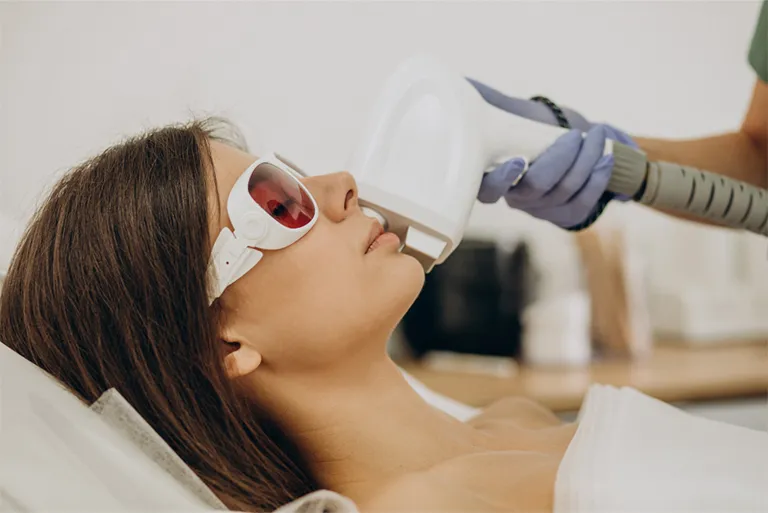
Controlled laser energy is applied inside the vaginal canal to stimulate collagen, improve tissue firmness and support the urethra naturally.
The procedure is non-surgical, usually quick and well tolerated, with no cuts or stitches and minimal interruption to daily routine.
Bladder-control improvement develops gradually as new collagen strengthens support tissues over the following weeks and sessions.
Kegel exercises, hydration habits and bladder-training advice are combined with treatment to improve long-term control and reduce recurrence.
Follow-up visits track leakage improvement, comfort and tissue response, helping decide whether additional sessions or maintenance care are required.

No incisions, no stitches, and no general anaesthesia required at any stage of the treatment, making it the most accessible and least disruptive pathway to bladder control restoration available.

The gentle laser energy causes minimal discomfort throughout each session. Most women describe the experience as a mild warmth, with numbing gel applied beforehand for additional comfort.

Women can walk out of the clinic and return to normal daily activities immediately after each session with no recovery period, hospital stay, or interruption to work or personal life.

Laser therapy for stress urinary incontinence has a well-established international clinical evidence base with consistently high patient success rates across diverse patient populations worldwide.

Many women experience a significant reduction in leakage episodes within just 2 to 4 weeks following the first treatment session, with continuing improvement developing over subsequent months.

Works entirely with the body's own biological healing mechanisms to rebuild collagen and restore structural urethral support permanently, without introducing any foreign materials or implants.

Collagen remodeling and tissue regeneration deliver durable improvements that continue to strengthen over several months post-treatment and can be maintained effectively with annual booster sessions.

Particularly effective for women experiencing incontinence due to estrogen-related tissue thinning and pelvic floor weakening after menopause, with consistently excellent clinical response rates.

Laser treatment also improves vaginal dryness, laxity, and intimate discomfort alongside incontinence, providing comprehensive pelvic wellness benefits beyond bladder control alone.

Unlike some medical therapies, laser treatment carries no hormonal implications, making it a safe and appropriate option for a wide spectrum of women including those with hormonal contraindications.

Follow the recommended care instructions and avoid habits that may affect your treatment cycle.


Eggs Successfully Frozen

Vitrification Survival Rate

Years of Experience

Support to Call

Urinary incontinence is very common among women, particularly after childbirth and during menopause, but it is absolutely not something women simply have to accept or endure silently. Effective, non-surgical treatments are available and highly successful. At Galwa Care Hospital, our advanced laser therapy delivers meaningful, lasting improvement in bladder control without surgery, without recovery time, and without hormonal side effects, restoring the freedom and confidence that incontinence takes away from so many women across Rajasthan.
No. The procedure involves minimal to no discomfort. Most women describe a gentle warmth during the session and numbing gel is applied beforehand for added comfort throughout. Most women require 3 sessions spaced 4 to 6 weeks apart for optimal results, though many experience significant improvement after just the first session. Full results develop progressively over 3 to 6 months as collagen remodeling matures within the treated tissue, with annual maintenance sessions recommended to sustain the long-term benefit.
Many women experience a noticeable reduction in leakage episodes within 2 to 4 weeks of their first session, with full results continuing to develop over 3 to 6 months as tissue regeneration and collagen remodeling progress. Results are long-lasting, with most women maintaining significant improvement for 12 to 18 months or more. Annual maintenance sessions at Galwa Care Hospital help sustain the benefits over the long term. Managing contributing factors such as menopause, pelvic floor weakness, and excess weight further extends the durability of results.
Laser therapy is most effective for stress urinary incontinence and mixed incontinence presentations. Your specialist at Galwa Care Hospital will confirm suitability during your detailed consultation based on your specific symptom pattern, severity, and medical history. Post-menopausal women are among the most responsive and suitable candidates, as laser therapy specifically and effectively addresses the tissue thinning, collagen loss, and pelvic floor weakening caused by the estrogen decline that accompanies menopause.
After each laser session, avoid strenuous exercise, sexual intercourse, swimming, hot baths, and use of tampons or vaginal products for 3 to 5 days. Normal light daily activities can be resumed immediately after each session with no recovery ward, bandaging, or post-operative care required. Yes, women who have had a caesarean section can in most cases undergo laser incontinence treatment. A detailed consultation at Galwa Care Hospital will assess your complete medical and obstetric history to confirm suitability and design the most appropriate individualized treatment plan for your specific situation.