Shopping cart

Subtotal 0

View cartCheckout

Laser Assisted Hatching Jodhpur

Helping Embryos Hatch,
Helping Dreams Begin

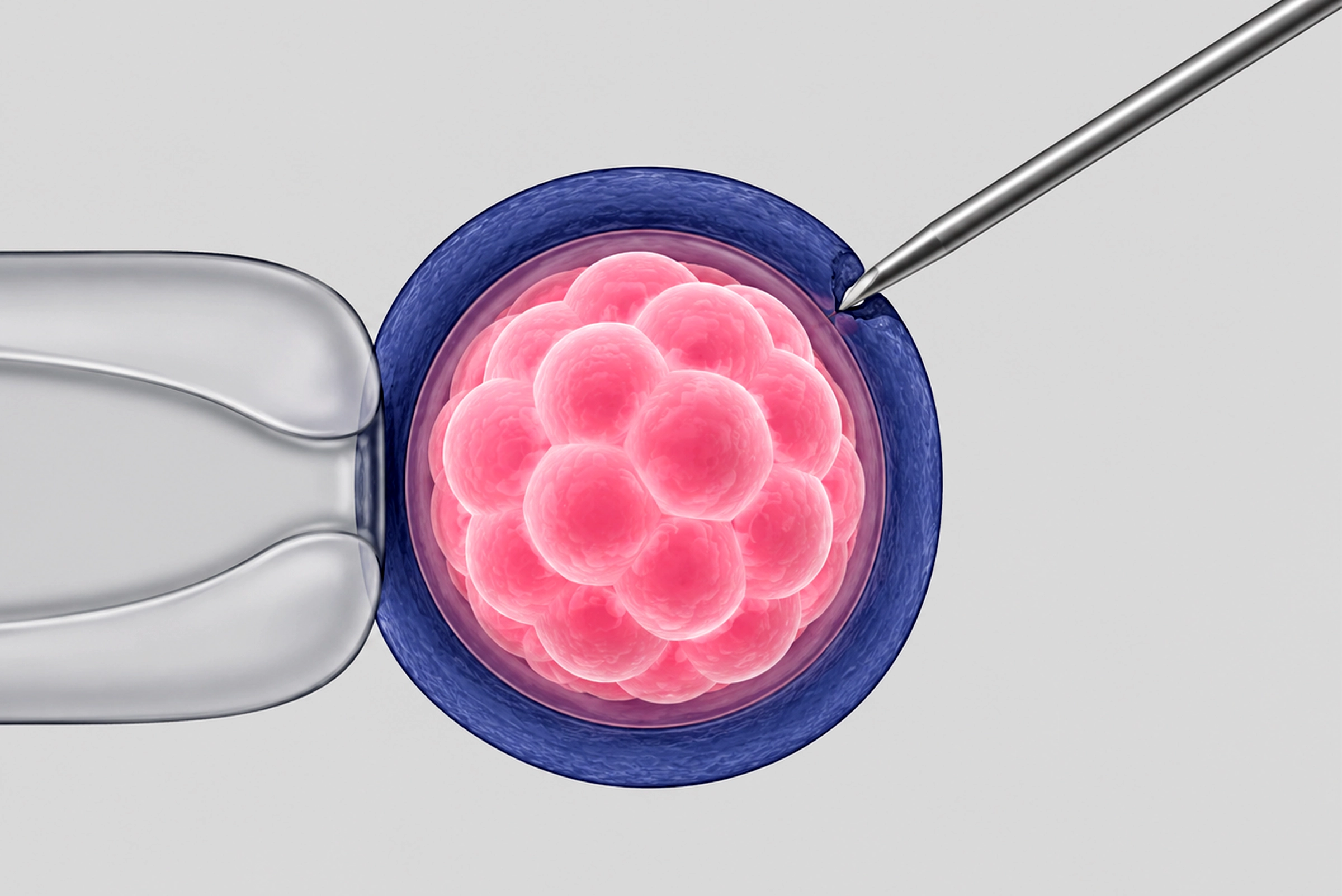
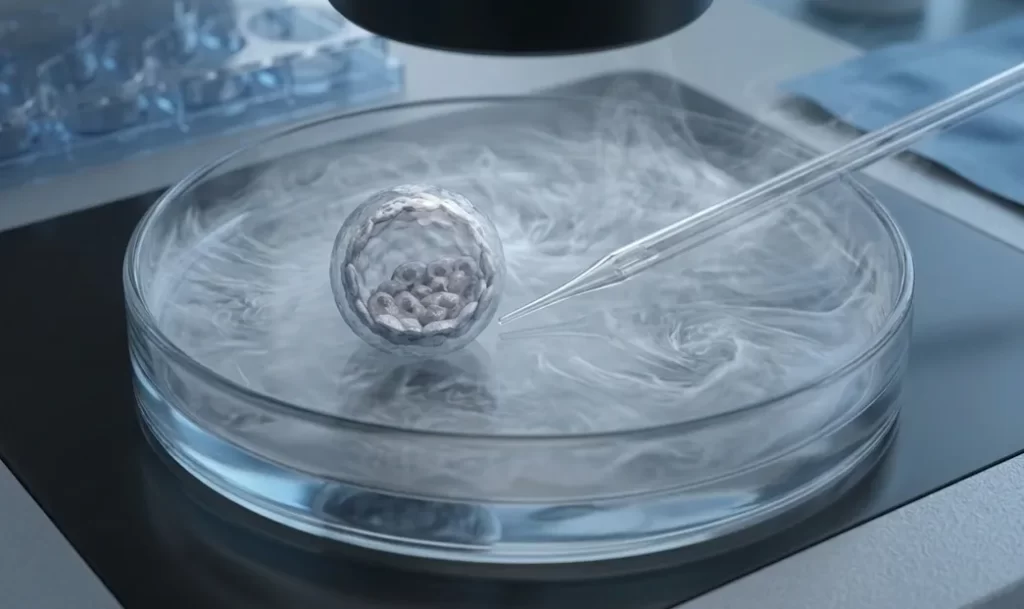
Laser Assisted Hatching is an advanced IVF laboratory technique that creates a precise opening in the embryou2019s outer shell to support implantation.

At Galwa Care Hospital, Jodhpur, skilled embryologists use controlled laser technology only when the patientu2019s clinical profile suggests benefit.

It may help selected patients with repeated IVF failure, advanced age, frozen embryos or embryos that may struggle to hatch naturally.

Are You Facing These Issues?

Free Consultation
from our Consultants

Selected Cases, Meaningful Clinical Advantage

Why Is Laser Assisted Hatching Done?

LAH is recommended in specific clinical situations where the embryo's natural hatching process
may be compromised, and assisted support can meaningfully improve implantation outcomes.

Repeated IVF Failures

When previous IVF cycles have not resulted in implantation despite good embryo quality, LAH can provide the additional support needed to enhance embryo attachment chances.

Advanced Maternal Age

Women above 35 may produce embryos with a harder or thicker outer shell, making the natural hatching process more difficult and assisted laser hatching more beneficial.

Thick Zona Pellucida

A naturally thicker embryo outer covering can prevent successful hatching even in otherwise good-quality embryos, requiring precise laser-assisted support before transfer.

Poor Embryo Quality

Embryos with slower development or lower grading may benefit from assisted hatching to give them the additional support needed to improve their implantation potential.

Frozen-Thawed Embryos

Cryopreservation can sometimes cause hardening of the zona pellucida during the freezing process, making LAH a particularly beneficial adjunct before frozen embryo transfer.

Precise, Controlled, Laboratory-Based Procedure

The Laser Assisted Hatching Procedure

Laser Assisted Hatching is performed as part of the IVF laboratory workflow by skilled embryologists using specialized laser micromanipulation technology.

Embryo Selection

Suitable embryos are carefully identified and assessed for the procedure based on specific clinical criteria including zona pellucida thickness and overall embryo grading.

Microscopic Positioning

The selected embryo is precisely positioned under a high-powered micromanipulation microscope for accurate visualization and laser targeting of the zona pellucida.

Laser Application

A focused, specialized laser beam creates a tiny and precisely controlled opening in the outer shell of the embryo without causing any contact with the inner cell mass.

Embryo Monitoring

Following the laser procedure, the embryo is carefully observed for continued stability, viability, and normal development before the transfer is planned.

Embryo Transfer

The selected embryo is placed gently into the uterus with careful timing and ultrasound-guided precision.

Precision Support for Successful Implantation

Benefits of Laser Assisted Hatching

Laser Assisted Hatching can improve implantation support in carefully selected IVF cases where natural hatching may be difficult.

Improves Implantation Chances

LAH helps embryos that may struggle to hatch naturally, directly improving the chances of successful implantation in carefully selected cases.

Beneficial After Repeated Failures

For patients with multiple failed IVF cycles, LAH provides an additional layer of laboratory support that may make a meaningful difference to the outcome.

Precise and Non-Damaging

The laser creates a precise, controlled opening without harming the embryo's inner cells, making the procedure both accurate and completely safe for the embryo.

Supports Frozen Embryo Transfers

LAH is particularly useful for frozen-thawed embryos where the outer shell may have hardened during cryopreservation, potentially impairing natural hatching ability.

Used Only When Clinically Indicated

At Galwa Care Hospital, LAH is recommended selectively based on individual patient profiles, ensuring it is only applied where it adds genuine and measurable clinical value.

No Additional Patient Discomfort

The procedure is performed entirely in the laboratory on the embryo and involves no additional discomfort, intervention, or steps for the patient directly.

Quick and Efficient Laboratory Step

LAH is performed quickly as part of the standard IVF laboratory workflow, adding minimal time to the embryo preparation process before transfer.

Evidence-Backed Technology

Laser Assisted Hatching is a well-established technique supported by clinical research in reproductive medicine with a strong and consistent evidence base.

Helps Advanced Maternal Age Patients

Women above 35 with typically harder embryo shells benefit most from the precision assistance that LAH provides before embryo transfer.

Part of a Comprehensive IVF Plan

When integrated thoughtfully into a well-designed IVF protocol, LAH contributes to a more complete and outcome-focused fertility treatment strategy.nn

Stay Consistent Throughout Your Cycle

Laser Assisted Hatching — Do's and Don'ts

Following these recommendations throughout your LAH and IVF cycle will support the best possible embryo environment and maximize your chances of successful implantation.

DO'S — What You Should Do

Follow all IVF medication protocols strictly as prescribed by your specialist.

Attend all scheduled monitoring appointments without exception throughout.

Maintain a healthy, balanced diet to support uterine receptivity and health.

Stay well-hydrated and get adequate rest throughout the treatment cycle.

Take prescribed hormonal support medications at the same time each day.

Follow all post-embryo transfer care instructions carefully as provided.

Manage stress with relaxation techniques such as meditation or gentle yoga.

Communicate any discomfort or unusual symptoms to your doctor promptly.

Attend all follow-up appointments and stay consistent with your schedule.

Stay positive and patient throughout the process as implantation takes time.

DONT'S — What You Should Avoid

Avoid smoking and alcohol throughout the entire IVF and transfer cycle.

Do not skip medications or appointments as timing is critical to success.

Avoid heavy physical exertion during and after the embryo transfer phase.

Do not self-medicate or use unprescribed supplements during the cycle.

Limit caffeine to one small cup per day throughout the treatment period.

Avoid stress and anxiety triggers as much as possible during the wait.

Do not rely on unverified treatments or alternative remedies without advice.

Avoid hot baths or saunas as overheating can interfere with implantation.

Do not compare your outcomes with others as every journey is unique.

Avoid early pregnancy testing before the recommended 10-to-14-day window.

Expert Embryology, Selective and Ethical Care

Precision Technology,
Personalized for Every Patient

Advanced IVF laboratory with laser micromanipulation technology

Highly experienced embryologists and fertility specialists

Individualized case selection for optimal and ethical results

Strict quality control and laboratory safety protocols throughout

Seamless integration with advanced IVF and ICSI techniques

Patient-focused, transparent, and ethical treatment approach

Clear communication and guidance at every stage of the journey

2000+

Eggs Successfully Frozen

98%

Vitrification Survival Rate

15+

Years of Experience

24/7

Support to Call

Transparent Pricing, No Hidden Costs

How Much Does Laser Assisted Hatching Cost?

Laser Assisted Hatching is an add-on laboratory procedure performed as part of an IVF cycle. Its cost is determined by the overall treatment protocol and individual clinical requirements. At Galwa Care Hospital, all pricing is communicated clearly and transparently upfront.

Easy EMI Facility Available

LAH laboratory procedure fee

Embryo monitoring post-procedure

Embryo transfer procedure

Hormonal luteal phase support

Overall IVF cycle protocol

Frozen embryo transfer (if applicable)

Easy EMI Facility Available

Shape Image

LAH Questions Clearly Answered

Frequently AskednQuestions.

Laser Assisted Hatching is a precise laboratory technique used during IVF where a focused laser beam creates a small, controlled opening in the outer shell of an embryo (zona pellucida) to help it hatch and implant successfully in the uterus. The procedure is performed entirely in the embryology laboratory before the embryo transfer, involves no discomfort for the patient, and does not harm the embryo's inner cells when performed correctly by trained embryologists.

Yes, LAH is safe and well-established when performed by experienced embryologists using specialized laser micromanipulation equipment. The laser creates only a tiny, precisely controlled opening in the outer shell and does not contact or damage the inner cell mass of the embryo. At Galwa Care Hospital, the procedure is applied only to selected embryos where the clinical indication is clearly established, ensuring both safety and meaningful benefit.

No, LAH is not required for all IVF patients. It is recommended only when clinically indicated based on embryo characteristics and the patient's IVF history, such as repeated failures, advanced maternal age, thick zona pellucida, or frozen embryo transfers. LAH improves implantation chances in specifically selected cases but does not guarantee pregnancy. At Galwa Care Hospital it is used selectively, not routinely, to ensure it adds genuine clinical value.

LAH is performed just before embryo transfer, typically on Day 3 or Day 5 of embryo development depending on the transfer stage. It is frequently used in frozen embryo transfer cycles because cryopreservation can sometimes result in hardening of the zona pellucida that may impede natural hatching ability. The decision to use LAH with frozen embryos is made by our embryology team based on the individual characteristics of each thawed embryo.

No, LAH does not require any separate hospitalization. It is performed as part of the standard embryo preparation process in the IVF laboratory on the day of embryo transfer. The patient does not experience any additional discomfort from the procedure itself. Following the embryo transfer, patients are advised to rest for 20 to 30 minutes at the clinic before returning home and to follow the standard post-transfer activity guidelines provided by their care team.

Appointment Request Form

Care Packages for Every Stage

Take the First Step Towards Better Care

Schedule your personalized consultation at Galwa Care Hospital to experience medical expertise combined with compassionate support for every patient journey
GALWA CARE