Advanced IVF, IUI & ICSI treatments with highest success rates — compassionate care for every step of your fertility journey.
State-of-the-art IVF lab, experienced embryologists and personalised protocols for the best possible outcomes.
Comprehensive care across pregnancy, fertility and advanced gynaecology — delivered with privacy, safety and compassion.
15+ years of expertise, advanced labs and personalised treatment plans.
Advanced facial & body cosmetic procedures by expert surgeons — natural results, minimal downtime, maximum confidence.
Board-certified surgeons delivering natural, beautiful results with the latest techniques.
Expert reconstructive & plastic surgery for hand, birth deformities, cancer reconstruction and trauma — restoring form and function with precision.
Advanced body contouring, breast surgeries & intimate procedures by expert surgeons — natural results, renewed confidence.
Advanced laser skin treatments, intimate wellness procedures & expert hair restoration — all under one roof.
State-of-the-art laser tech & hair restoration by certified specialists.
Comprehensive fertility, hormonal & genetic diagnostics for females and males — accurate, fast and confidential.
The vaccine is most effective when given to girls between 9 and 14 years of age, ideally before they become sexually active. The immune response at this age is strongest and the protection built is most robust and longest lasting.
Women in this age group who have not previously been vaccinated are strongly encouraged to receive the HPV vaccine. Even if some exposure may have occurred, vaccination still offers significant protection against strains not yet encountered.
Vaccination is also recommended for women between 27 and 45 years, particularly those who were not vaccinated earlier. A doctor’s assessment will determine individual suitability and the expected level of benefit based on health history.
HPV vaccination is also recommended for boys and young men, protecting them from HPV-related cancers including throat and anal cancer, and preventing transmission of the virus to their partners.
People with weakened immune systems, including those living with HIV, are particularly encouraged to receive the vaccine as they face a significantly higher risk of HPV-related complications and disease progression.
Sexually active women and men who have not previously been vaccinated can still benefit significantly from vaccination, as the vaccine protects against high-risk strains they may not yet have been exposed to.
Age, health history, prior vaccination and current medical status are reviewed to confirm suitability and choose the correct HPV vaccine schedule.
The suitable HPV vaccine type is selected, including broader 9-valent protection where appropriate, based on age, availability and preventive-care goals.
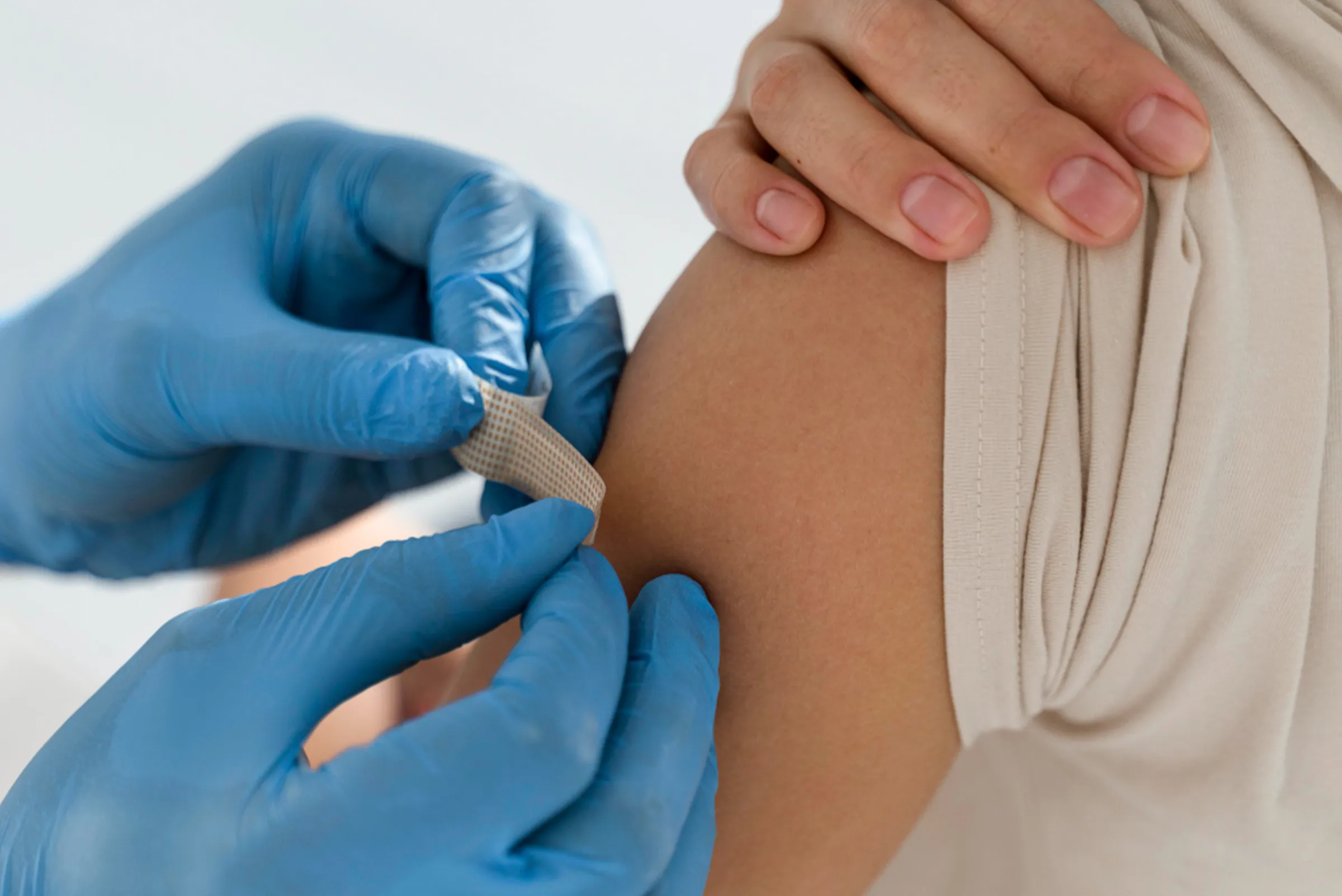
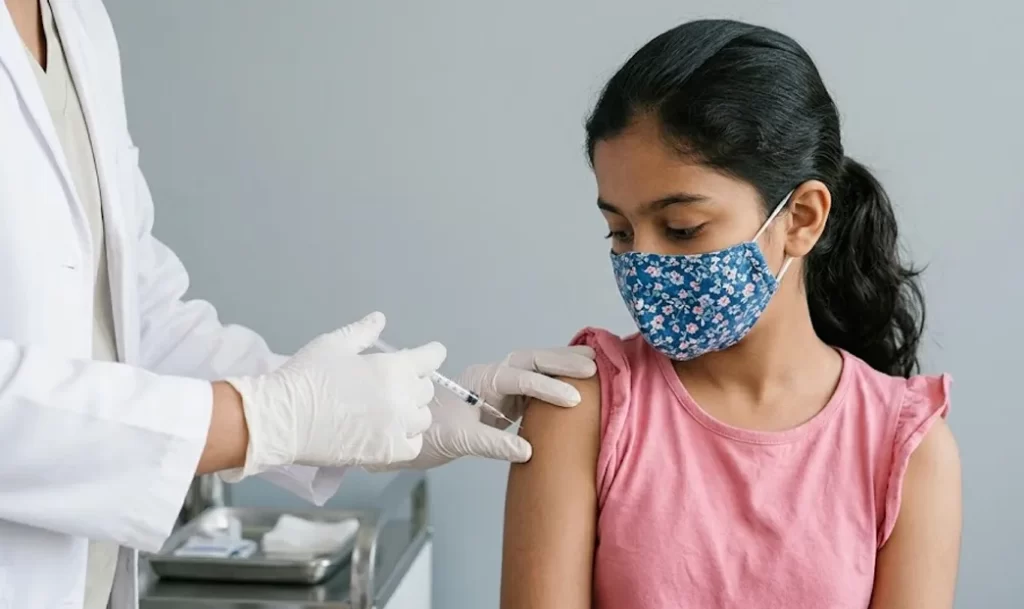
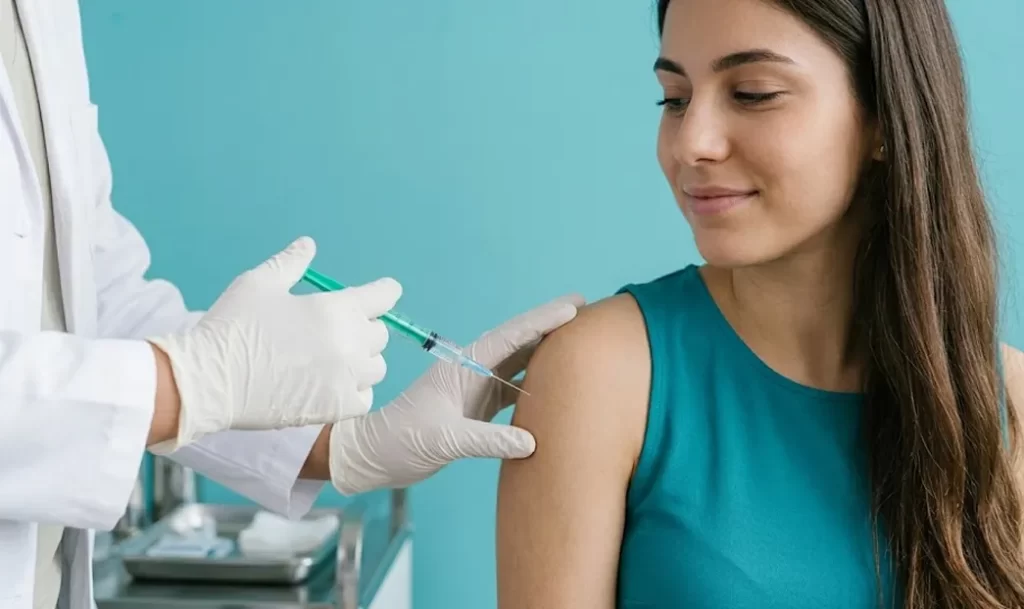
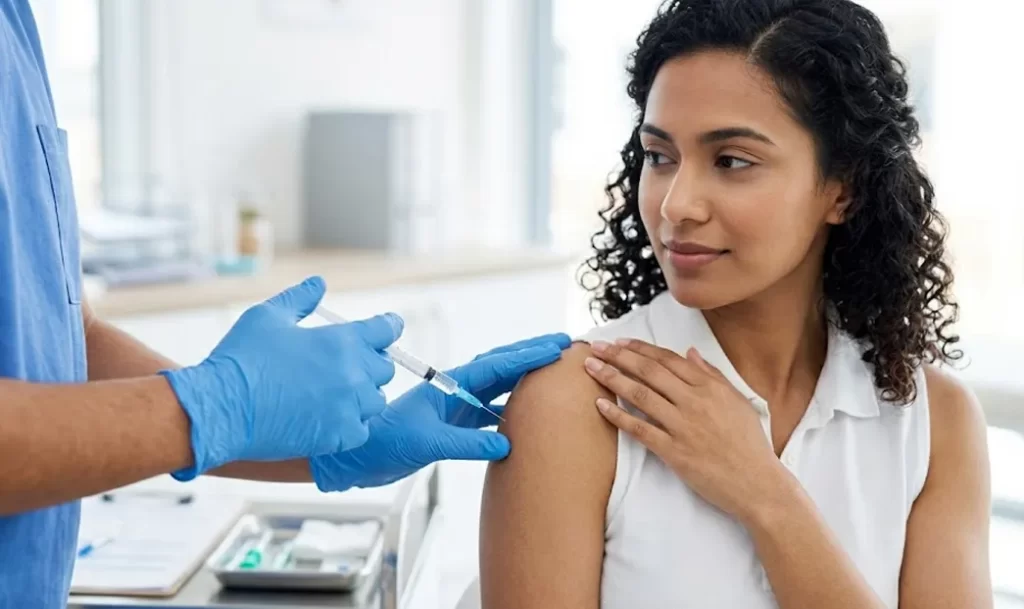
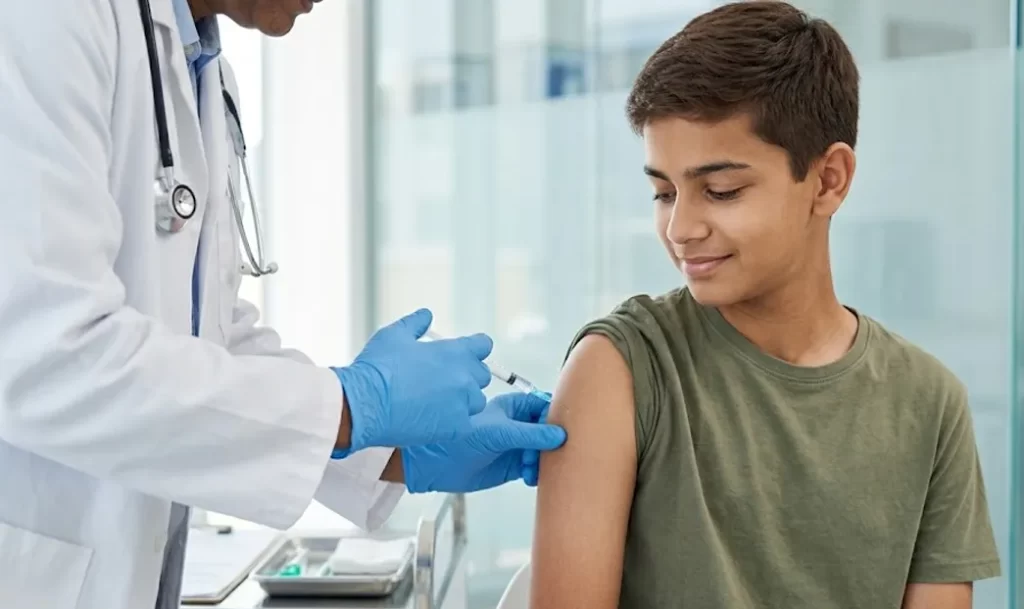
The vaccine is given as an upper-arm intramuscular injection. Short observation after the dose helps ensure comfort and immediate safety.
Children starting vaccination between 9 and 14 years usually need two doses, spaced months apart, to complete strong preventive protection.
Those starting at 15 years or above generally need three doses over six months for maximum protection against high-risk HPV strains.
After vaccination, your specialist explains expected mild reactions, missed-dose handling and continued prevention steps for long-term cervical health.
HPV vaccination does not replace Pap smears or HPV DNA testing; regular screening remains essential for adult women’s cervical cancer prevention.

Provides powerful protection against the high-risk HPV strains most directly responsible for causing cervical cancer, the second most common cancer in Indian women and a leading cause of cancer deaths.

Significantly reduces the risk of vaginal, vulvar, anal, and throat cancers linked to HPV infection, providing comprehensive cancer protection that extends well beyond the cervix alone.

Protects against low-risk HPV strains that cause genital warts, one of the most common and distressing consequences of HPV infection in both women and men.

Reduces the likelihood of requiring invasive follow-up procedures such as colposcopies and cervical biopsies that become necessary when HPV-related cervical abnormalities are detected on screening.

Vaccinated individuals help reduce community-wide transmission of HPV, contributing to broader population-level protection that benefits even those who have not yet been vaccinated.

Safe, well-tolerated, and backed by decades of global clinical research and real-world evidence across millions of vaccinated individuals worldwide, with an excellent and consistently confirmed safety profile.

Offers durable immune memory with current evidence suggesting protection of at least 10 to 15 years and potentially much longer, without the need for routine booster doses in standard guidelines.

Vaccinated individuals help reduce HPV transmission within families and communities, contributing to long-term population-level cervical cancer prevention that benefits future generations.

Empowers women and young girls to take proactive control of their long-term reproductive and overall health, making a decisive and informed investment in cancer prevention.

The earlier vaccination is received, the stronger and more comprehensive the protection. Vaccination before any sexual activity provides the highest possible level of defence against HPV infection.


Eggs Successfully Frozen

Vitrification Survival Rate

Years of Experience

Support to Call

Yes on both counts. The HPV vaccine has been extensively tested across global clinical trials and has a well-established safety record, approved and recommended for girls from as young as 9 years of age. Sexually active women who have not been previously vaccinated can still benefit significantly, as the vaccine protects against the high-risk HPV strains they may not yet have been exposed to. At Galwa Care Hospital, our specialists assess each individual's health history and vaccination record to recommend the most appropriate formulation and schedule for maximum personal protection.
No. Regular Pap smears and HPV DNA tests remain absolutely essential even after completing the full HPV vaccination course. The vaccine provides powerful protection against the most dangerous HPV strains but does not cover every possible strain that can cause cervical abnormalities. Vaccination and regular cervical screening are complementary preventive strategies that work together to provide the most comprehensive possible protection against cervical cancer. At Galwa Care Hospital, we coordinate both as part of a complete, integrated cervical cancer prevention programme.
For girls and boys who begin vaccination between 9 and 14 years, a 2-dose schedule is recommended with the second dose given 6 to 12 months after the first. For individuals who begin at 15 years and above, a 3-dose schedule is required at months 0, 1 to 2, and 6. Completing the full schedule is essential for maximum protection. If a dose is delayed, the course does not need to restart. Simply schedule the missed dose as soon as possible and continue the remaining schedule accordingly. Your specialist at Galwa Care Hospital will provide a clear and personalised dose schedule and reminder guidance.
No. There is no scientific evidence linking the HPV vaccine to infertility. The vaccine has been extensively studied and confirmed safe with absolutely no impact on reproductive health, fertility, or future pregnancy. Menstruation does not affect the safety or effectiveness of the HPV vaccine and vaccination can proceed normally during your cycle. Vaccination is however advised to be deferred if you are currently pregnant, with the full course recommended to be completed after delivery. Our specialists at Galwa Care Hospital will advise on the most appropriate timing based on your individual health status.
Galwa Care Hospital administers internationally approved HPV vaccines including the bivalent, quadrivalent, and 9-valent formulations, with the most appropriate type recommended based on your age and health profile. The 9-valent vaccine offers the broadest protection against the greatest number of cancer-causing and wart-causing HPV strains. Yes, in many cases vaccination is still beneficial after an HPV diagnosis as it protects against other high-risk strains not yet present in the body. Your specialist will advise based on your individual diagnosis, health status, and the specific strains involved.