Advanced IVF, IUI & ICSI treatments with highest success rates — compassionate care for every step of your fertility journey.
State-of-the-art IVF lab, experienced embryologists and personalised protocols for the best possible outcomes.
Comprehensive care across pregnancy, fertility and advanced gynaecology — delivered with privacy, safety and compassion.
15+ years of expertise, advanced labs and personalised treatment plans.
Advanced facial & body cosmetic procedures by expert surgeons — natural results, minimal downtime, maximum confidence.
Board-certified surgeons delivering natural, beautiful results with the latest techniques.
Expert reconstructive & plastic surgery for hand, birth deformities, cancer reconstruction and trauma — restoring form and function with precision.
Advanced body contouring, breast surgeries & intimate procedures by expert surgeons — natural results, renewed confidence.
Advanced laser skin treatments, intimate wellness procedures & expert hair restoration — all under one roof.
State-of-the-art laser tech & hair restoration by certified specialists.
Comprehensive fertility, hormonal & genetic diagnostics for females and males — accurate, fast and confidential.
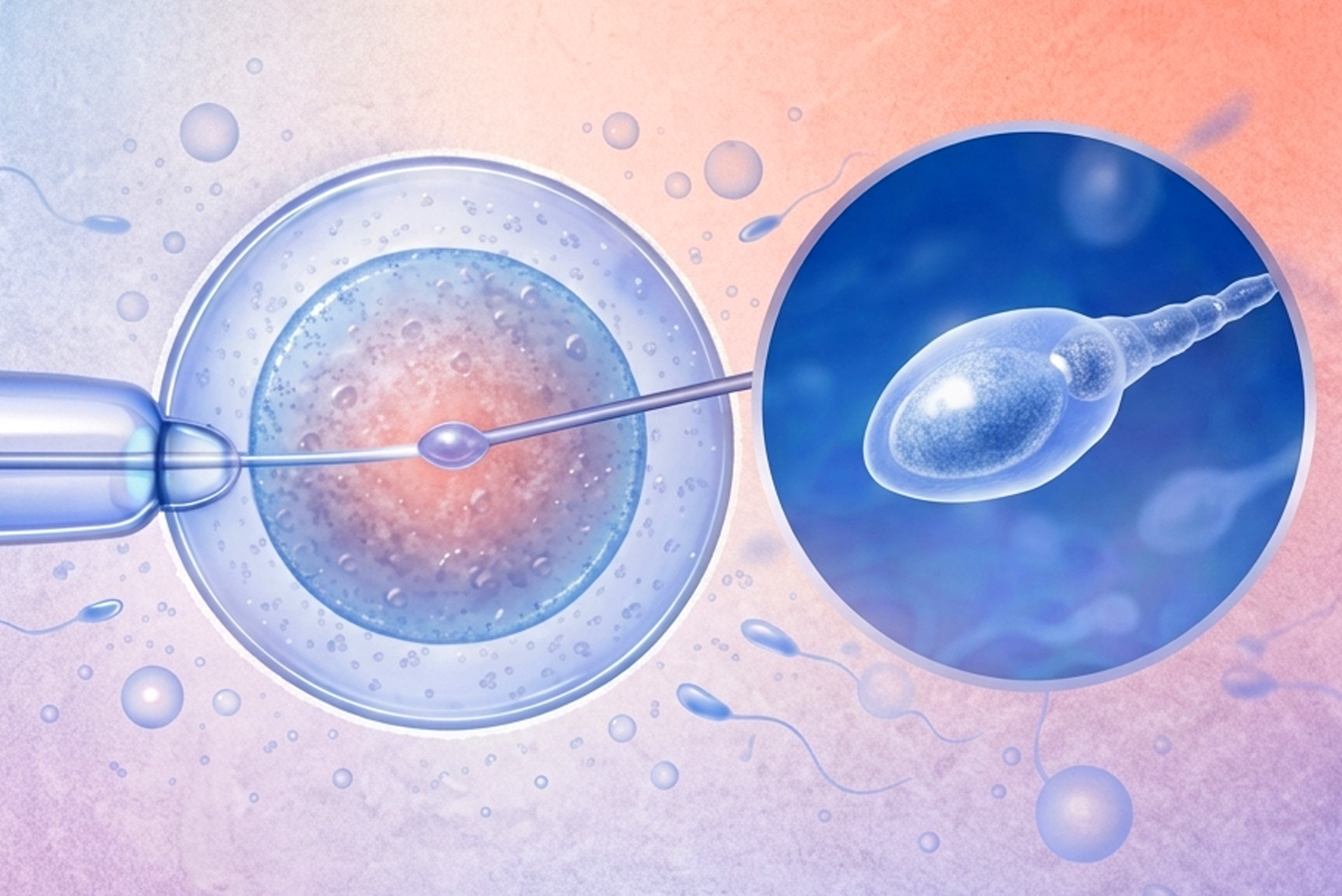
IMSI is an advanced refinement of ICSI that allows sperm to be examined under very high magnification before selection.
At Galwa Care Hospital, Jodhpur, embryologists use IMSI in selected cases where sperm morphology, repeated failure or embryo quality needs closer assessment.
It supports more precise sperm selection and may improve fertilisation confidence in complex male infertility treatment.
When previous cycles have not resulted in successful fertilization or pregnancy despite good ovarian response, IMSI provides a significantly higher level of sperm selection precision to improve outcomes.
High levels of abnormal sperm morphology or elevated DNA fragmentation where standard ICSI visual selection at conventional magnification is considered insufficient for reliable results.
When embryos consistently show poor developmental grading in earlier cycles despite normal fertilization, suggesting that sperm quality at the structural level may be a contributing factor.
Suspected sperm-related genetic or subtle structural issues contributing to repeated early pregnancy loss that standard semen analysis has not been able to fully identify or address.
When no clearly identifiable cause is found but fertilization outcomes and embryo quality consistently remain suboptimal despite standard ICSI treatment in previous cycles.
Hormonal medications are administered to the female partner over 10 to 14 days to stimulate the ovaries to produce multiple mature follicles, monitored closely through regular ultrasound scans.
Mature eggs are collected from the ovaries using an ultrasound-guided transvaginal aspiration procedure performed under mild sedation, typically taking 20 to 30 minutes.
Required preparation, screening and safety checks are completed before sample collection or procedure planning.
Suitable options are reviewed carefully so selection remains safe, ethical and aligned with treatment needs.
The most structurally optimal sperm identified through ultra-high magnification is injected directly into each mature egg using the standard ICSI microinjection technique under high-powered microscopy.
Eggs are carefully observed for successful fertilization over the following 16 to 18 hours, with fertilization confirmed by the appearance of two pronuclei in the successfully injected eggs.
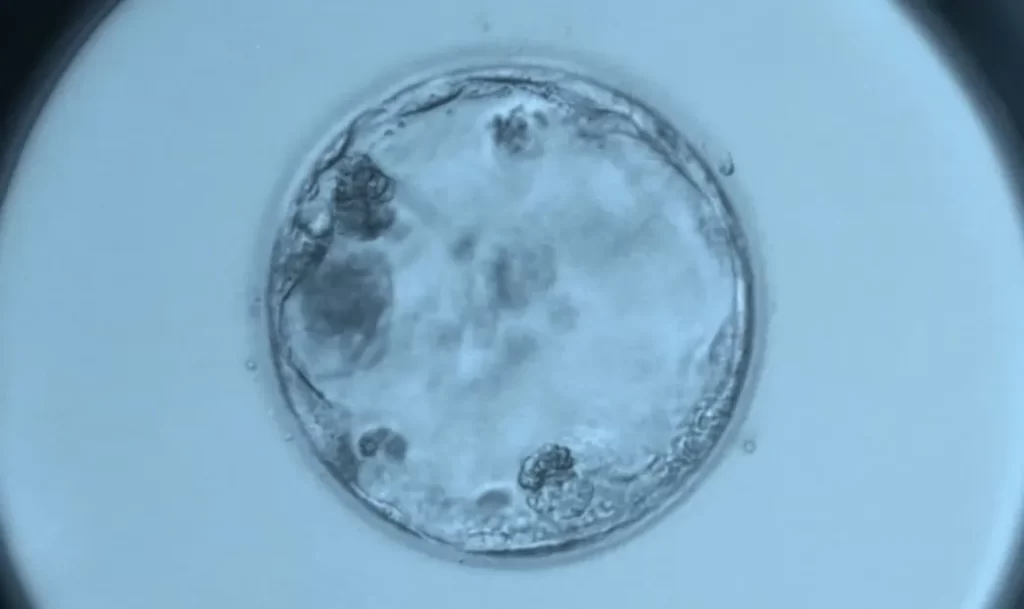
Fertilized eggs are cultured under strictly controlled laboratory conditions for 3 to 5 days with daily developmental quality assessment by our experienced embryology team.
The highest-quality embryo is transferred into the uterus using a thin, flexible catheter in a quick and painless procedure. Remaining good-quality embryos are cryopreserved for future use.
A blood-based beta-hCG pregnancy test is conducted 10 to 14 days after embryo transfer to confirm whether successful implantation has occurred and pregnancy has been achieved.nn

Ultra-high magnification reveals internal sperm defects that are entirely invisible under standard ICSI magnification, enabling far more precise and informed selection of the best sperm.

Selecting structurally superior sperm under magnified assessment improves the probability of successful fertilization compared to conventional ICSI sperm selection methods.

Embryos created from morphologically optimal sperm selected through IMSI show improved cell division, developmental grading, and overall quality during the culture phase.

By filtering out sperm with internal structural defects at ultra-high magnification, IMSI reduces the likelihood of chromosomal issues being present in the resulting embryo.

IMSI is particularly beneficial when sperm quality is severely compromised and standard ICSI selection at conventional magnification is not sufficiently discriminating for reliable results.

Couples with multiple failed IVF or ICSI cycles benefit from the added precision that ultra-high magnification sperm selection provides in subsequent treatment attempts.

Higher-quality embryos resulting from IMSI selection are more likely to implant successfully in the uterine lining, improving the overall success rate of the transfer cycle.

Improved embryo quality from IMSI selection may contribute meaningfully to reduced early pregnancy loss in cases where sperm quality issues have been a contributing factor.

IMSI represents the next level of sperm selection science, offering a significantly more refined approach for patients who have not achieved success with standard ICSI techniques.

IMSI is recommended selectively at Galwa Care Hospital for patients where its unique advantages in sperm selection are expected to deliver the greatest and most meaningful clinical benefit.nn


Eggs Successfully Frozen

Vitrification Survival Rate

Years of Experience

Support to Call

IMSI (Intra Cytoplasmic Morphologically Selected Sperm Injection) is an advanced sperm selection technique used in IVF that examines sperm under ultra-high magnification of up to 6000x, far greater than conventional ICSI. This allows embryologists to detect subtle internal morphological defects in sperm that are entirely invisible under standard ICSI magnification. By selecting only structurally optimal sperm for injection, IMSI aims to improve fertilization quality, embryo development, and ultimately the overall success of the treatment cycle.
IMSI is most beneficial for patients with repeated IVF or ICSI failures, severe male factor infertility with high levels of abnormal morphology, recurrent pregnancy loss, or consistently poor embryo quality in previous cycles. It is not a routine requirement for all IVF patients and is recommended selectively at Galwa Care Hospital for cases where its unique advantages in precision sperm selection are expected to add the most meaningful clinical benefit. Your specialist will assess your individual profile and advise accordingly.
IMSI can meaningfully improve outcomes in specifically selected cases, particularly those involving severe male morphology issues or repeated treatment failures where standard ICSI selection has not been sufficient. Clinical evidence supports its benefit in these patient groups in terms of fertilization rates and embryo quality. IMSI may also help reduce miscarriage risk in cases where subtle sperm structural or DNA-related defects have been contributing to early pregnancy loss by ensuring only the most structurally sound sperm are used.
No. IMSI is performed entirely in the embryology laboratory and does not involve any additional procedure or discomfort for the patient beyond the standard IVF and ICSI cycle experience. The ultra-high magnification sperm selection step takes additional laboratory time compared to standard ICSI, but the overall treatment cycle timeline remains that of a standard IVF cycle, typically 2 to 3 weeks from ovarian stimulation to the pregnancy test result.
Yes on both counts. Frozen sperm that has been thawed and prepared in the laboratory can be used effectively in IMSI, as the ultra-high magnification selection process works equally well with thawed sperm samples. All surplus good-quality embryos produced during an IMSI cycle can be vitrified and stored securely at Galwa Care Hospital for future frozen embryo transfer cycles, improving the overall cumulative success potential and cost-efficiency of each treatment cycle undertaken.