Shopping cart

Subtotal 0

View cartCheckout

Blastocyst Culture and Transfer Jodhpur

Better Embryo Selection,
Better Outcomes

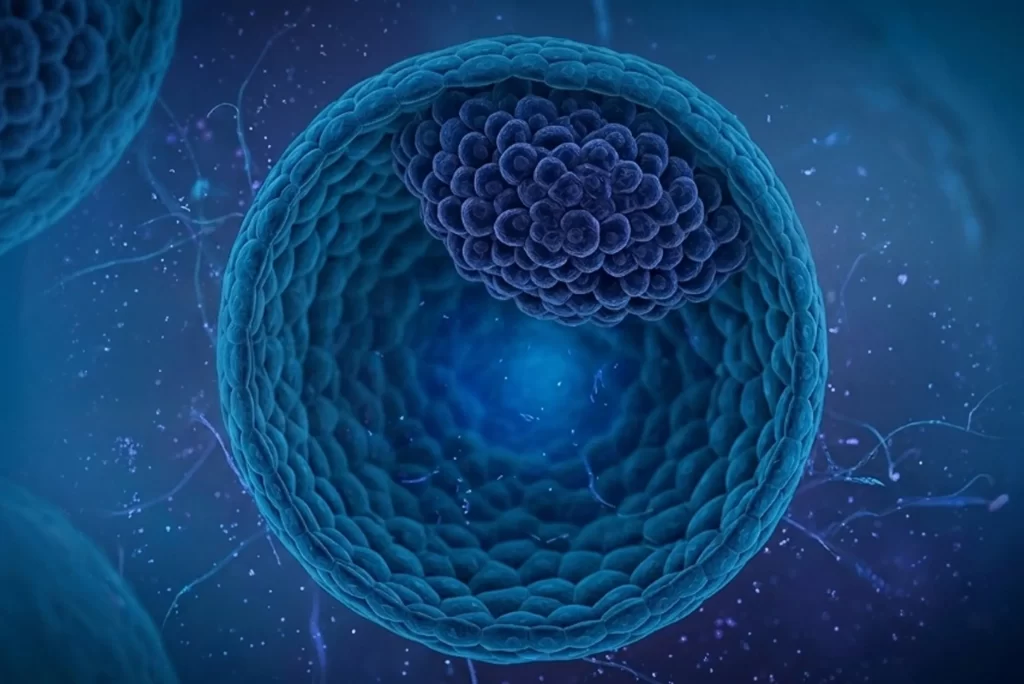
Blastocyst Culture and Transfer allows embryos to grow for five to six days until they reach a more developed, implantation-ready stage.

At Galwa Care Hospital, Jodhpur, embryos are cultured in controlled lab conditions so specialists can observe development and select stronger embryos.

This approach can improve embryo selection, support higher implantation potential and reduce the need for unnecessary multiple embryo transfer.

Are You Facing These Issues?

Free Consultation
from our Consultants

When Blastocyst Transfer Makes the Difference

Why Is Blastocyst Culture and Transfer Done?

Blastocyst culture and transfer is recommended in specific clinical situations where extended
embryo development leads to better selection and higher implantation success.

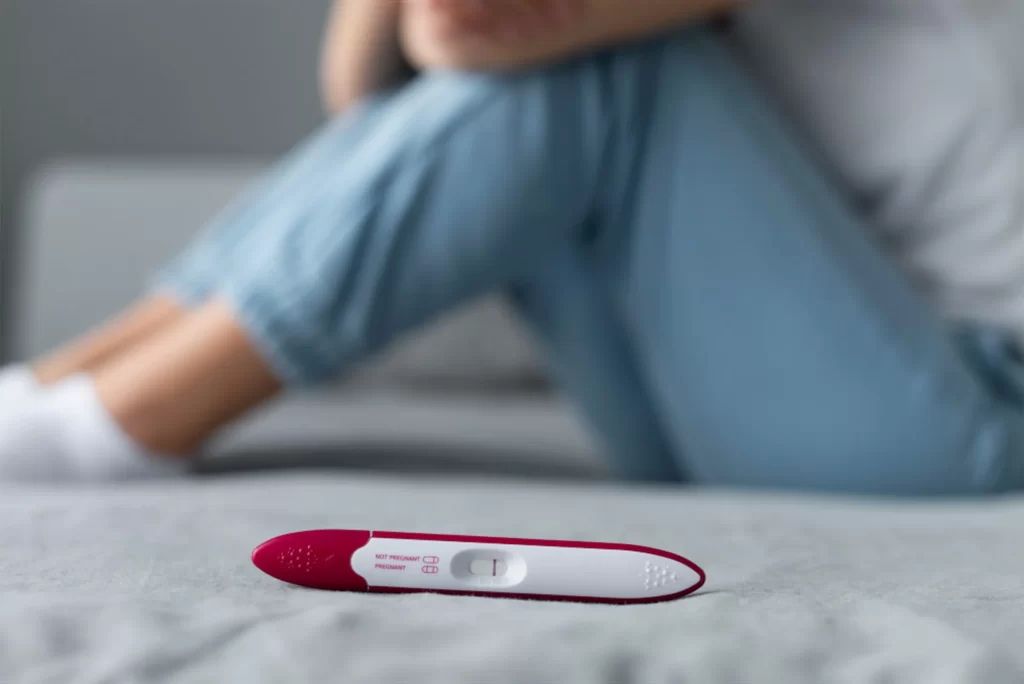
Repeated IVF Failures

When previous IVF attempts have not resulted in pregnancy, blastocyst culture helps identify stronger embryos with better implantation potential that earlier-stage transfers may have missed.

Poor Embryo Quality in Early Stages

Extended culture allows natural selection to occur in the laboratory, where only the most viable and developmentally competent embryos successfully reach the blastocyst stage.

Need for Higher Implantation Rates

Blastocyst-stage embryos have a significantly higher likelihood of successful implantation compared to Day 2 or Day 3 embryos, improving the overall success rate of each transfer.

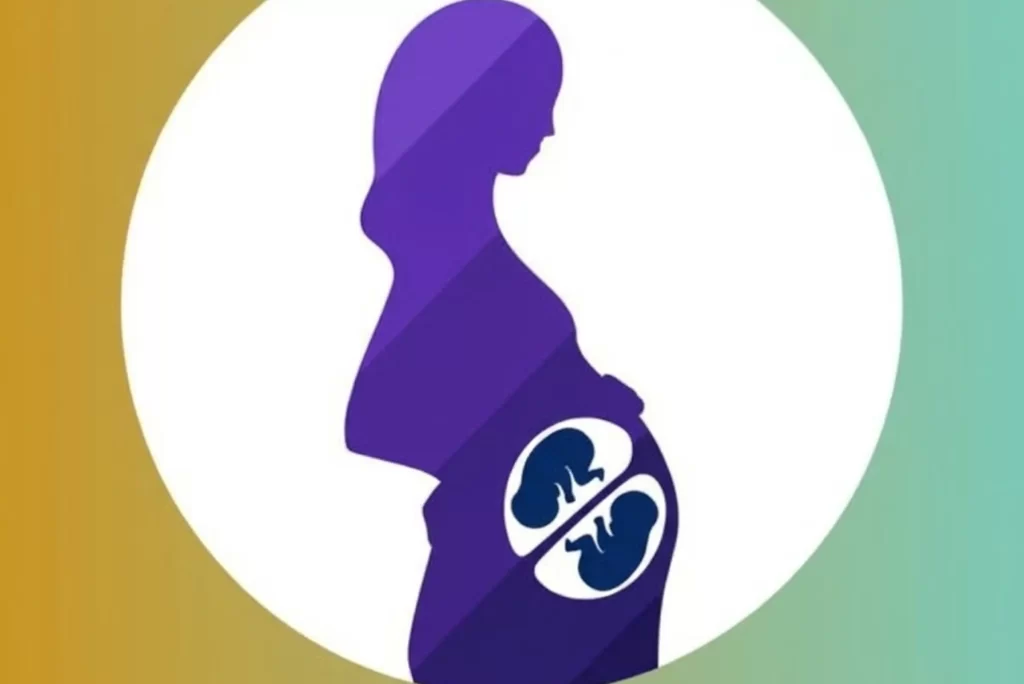
Desire to Reduce Multiple Pregnancy Risk

Because blastocyst selection is more precise, fewer embryos need to be transferred to achieve a successful pregnancy, significantly reducing the risk of twins or multiples.

Unexplained Infertility

In cases where the cause is unclear and previous results have been disappointing; blastocyst culture improves embryo selection and optimizes the timing and conditions for a successful transfer.

Precision Culture, Optimal Transfer

The Blastocyst Culture and Transfer Procedure

Every blastocyst cycle at Galwa Care Hospital is monitored with meticulous attention at each stage of development to ensure only the strongest embryos are selected for transfer.

Egg Retrieval (OPU)

Mature eggs are collected from the ovaries as part of the standard IVF process using an ultrasound-guided minimally invasive procedure performed under mild sedation.

Fertilization (IVF / ICSI)

Eggs are fertilized with sperm in the laboratory using conventional IVF or ICSI, depending on the clinical indication and semen analysis results for each couple.

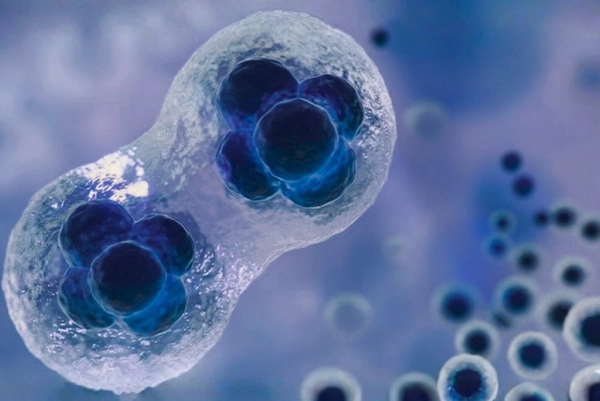
Embryo Culture (Day 1 to 3)

Early embryo development is closely monitored by our embryologists through the initial cleavage stages, assessing cell number, symmetry, and fragmentation at each interval.

Extended Culture to Blastocyst Stage (Day 5 to 6)

Only the healthiest and most developmentally competent embryos continue to grow and successfully reach the blastocyst stage by Day 5 or Day 6 of culture.

Embryo Selection

High-quality blastocysts are carefully assessed and selected based on their morphological grading, inner cell mass quality, and trophectoderm development for transfer.

Blastocyst Transfer

A single or selected blastocyst is gently transferred into the uterus using a thin, flexible catheter in a quick and painless procedure that requires no anesthesia.

Luteal Support and Monitoring

Hormonal support medications including progesterone are prescribed post-transfer to support the uterine lining and improve conditions for successful embryo implantation.

Pregnancy Test

A blood-based beta-hCG test is conducted 10 to 14 days after the blastocyst transfer to confirm whether successful implantation has occurred.

Science-Driven Selection for Better Results

Benefits of Blastocyst Culture and Transfer

Blastocyst transfer improves embryo selection by allowing stronger embryos to declare their potential before transfer.

Higher Implantation Rates

Blastocyst-stage embryos have a significantly higher chance of successful implantation compared to Day 2 or Day 3 embryos transferred in conventional IVF cycles.

Better Natural Embryo Selection

Extended culture to Day 5 or 6 allows nature to identify the strongest, most developmentally competent embryos before any transfer decision is made.

Reduced Multiple Pregnancy Risk

Because selection is more precise, fewer embryos need to be transferred, significantly reducing the risk of twins or triplets and their associated complications.

Improved Overall IVF Success Rates

Blastocyst transfer is associated with higher clinical pregnancy rates than earlier-stage transfers, making each cycle more productive and outcome-focused.

Mimics Natural Conception Timing

Transferring a blastocyst aligns with the natural timing of when an embryo would normally arrive in the uterus, improving the synchrony between embryo and uterine receptivity.

Ideal Stage for Genetic Testing

Blastocysts are at the optimal developmental stage for embryo biopsy and Preimplantation Genetic Testing when chromosomal screening is clinically required.

Identifies Non-Viable Embryos Early

Embryos that would not have resulted in pregnancy are naturally identified and eliminated during extended culture, avoiding unnecessary transfers with low success potential.

Supports Frozen Embryo Cycles

High-quality blastocysts that are not transferred in the fresh cycle can be vitrified and stored for future frozen embryo transfer cycles without quality compromise.

Personalized to Each Patient

The decision to pursue blastocyst culture is made individually based on embryo number, quality, and patient history, ensuring the approach is always clinically appropriate.

Internationally Recognized Best Practice

Blastocyst transfer is widely adopted globally as a best-practice approach in advanced IVF programmes with consistently strong evidence supporting its clinical outcomes.

Care Well After Your Transfer

Blastocyst Transfer — Do's and Don'ts

Following these recommendations during and after your blastocyst transfer cycle will give the embryo the best possible environment and the highest chance of successful implantation.

DO'S — What You Should Do

Follow all medication and hormonal support protocols exactly as prescribed.

Attend all follow-up appointments to monitor your cycle and transfer.

Maintain a healthy, balanced diet to support uterine receptivity.

Stay well-hydrated and get adequate rest throughout the cycle.

Take prescribed progesterone support regularly at the same time daily.

Practice stress management through meditation, yoga, or gentle breathing.

Follow all post-transfer activity and rest instructions from your doctor.

Keep a positive and calm mindset during the waiting period after transfer.

Report any unusual symptoms such as severe cramping or bleeding promptly.

Maintain light physical activity like gentle walking to support circulation.

DONT'S — What You Should Avoid

Avoid smoking and alcohol throughout the entire IVF and transfer cycle.

Do not skip medications as hormonal support is critical to implantation.

Avoid heavy lifting or strenuous ex ercise during and after transfer.

Do not self-medicate or use supplements without consulting your doctor.

Avoid excessive caffeine and limit to one small cup per day.

Do not engage in high-stress activities during the two-week wait period.

Avoid hot baths or saunas as overheating can interfere with implantation.

Do not compare your outcomes with others as every journey is unique.

Avoid misinformation from non-medical sources throughout your treatment.

Avoid misinformation from non-medical sources throughout your treatment.

Precision Embryology, Proven Results

Your Best Embryo Deserves
the Best Laboratory

Advanced laboratory with controlled culture conditions for blastocyst development

Highly experienced embryologists skilled in blastocyst grading and selection

Individualized protocols designed to maximize embryo viability and implantation

Reduced multiple pregnancy risk through precise single blastocyst transfer

Seamless integration with complete IVF cycle management under one roof

Transparent patient communication at every stage of embryo development

Trusted fertility center in Jodhpur with consistently strong clinical outcomes

2000+

Eggs Successfully Frozen

98%

Vitrification Survival Rate

15+

Years of Experience

24/7

Support to Call

Transparent Pricing, No Hidden Costs

How Much Does Blastocyst Transfer Cost?

The cost of blastocyst culture and transfer varies depending on the patient's individual clinical requirements and the overall IVF protocol. At Galwa Care Hospital, we maintain complete pricing transparency with no hidden charges or surprise bills.

Easy EMI Facility Available

Ovarian stimulation medications

Monitoring scans and blood tests

Egg retrieval procedure

Extended embryo culture (Day 5 to 6)

Blastocyst grading and selection

Embryo transfer procedure

Luteal phase hormonal support

Easy EMI Facility Available

Shape Image

Blastocyst Transfer Questions, Answered

Frequently AskednQuestions.

A blastocyst is an embryo that has developed for 5 to 6 days after fertilization, reaching a more advanced stage with a clearly defined inner cell mass and outer cell layer. Blastocyst transfer generally offers higher implantation rates than Day 3 transfer because the extended culture period allows natural selection of the strongest and most developmentally competent embryos before any transfer decision is made.

No. Only the healthiest and most developmentally competent embryos successfully reach the blastocyst stage by Day 5 or 6. This natural selection process is one of the key advantages of extended culture. If no embryo reaches the blastocyst stage, the cycle may not proceed to transfer and your fertility team at Galwa Care Hospital will review all factors and recommend an optimized approach for the next attempt.

Usually one, and in some cases two, depending on the patient's age, blastocyst quality, and the clinical recommendation of the specialist. Single blastocyst transfer is increasingly preferred to minimize multiple pregnancy risk. Any high-quality blastocysts not transferred in the fresh cycle can be vitrified and stored for future frozen embryo transfer cycles.

Not always. Blastocyst culture is most appropriate when a sufficient number of embryos are available for extended culture. In cycles where very few embryos are developing, earlier transfer on Day 3 may be recommended to avoid the risk of losing all embryos if none reach the blastocyst stage. Your specialist at Galwa Care Hospital will assess your specific situation and recommend the most clinically appropriate approach.

The blastocyst transfer procedure itself is completely painless and requires no anesthesia. A thin, flexible catheter is used to gently place the blastocyst into the uterus in a matter of minutes. A blood-based beta-hCG pregnancy test is then conducted 10 to 14 days after the transfer to confirm whether successful implantation has occurred.

Appointment Request Form

Care Packages for Every Stage

Take the First Step Towards Better Care

Schedule your personalized consultation at Galwa Care Hospital to experience medical expertise combined with compassionate support for every patient journey
GALWA CARE