Shopping cart

Subtotal 0

View cartCheckout

Cesarean Delivery (C-Section) Jodhpur

Your Safety, Your Baby's
Health Our Priority

A Cesarean delivery is a safe surgical birth option when vaginal delivery is not advisable, labour is not progressing, or urgent delivery is needed for mother or baby. With the right team, it can be planned, controlled, and emotionally reassuring. At Galwa Care Hospital, Jodhpur, our obstetricians, anaesthetists, OT nurses, and newborn specialists manage C-sections with surgical precision, clear counselling, safe anaesthesia, and gentle recovery support. From preparation to post-delivery care, our focus remains complete mother-baby safety.

Are You Facing These Issues?

Free Consultation
from our Consultants

When a C-Section Becomes the Right Choice

When Is a Cesarean Section Recommended?

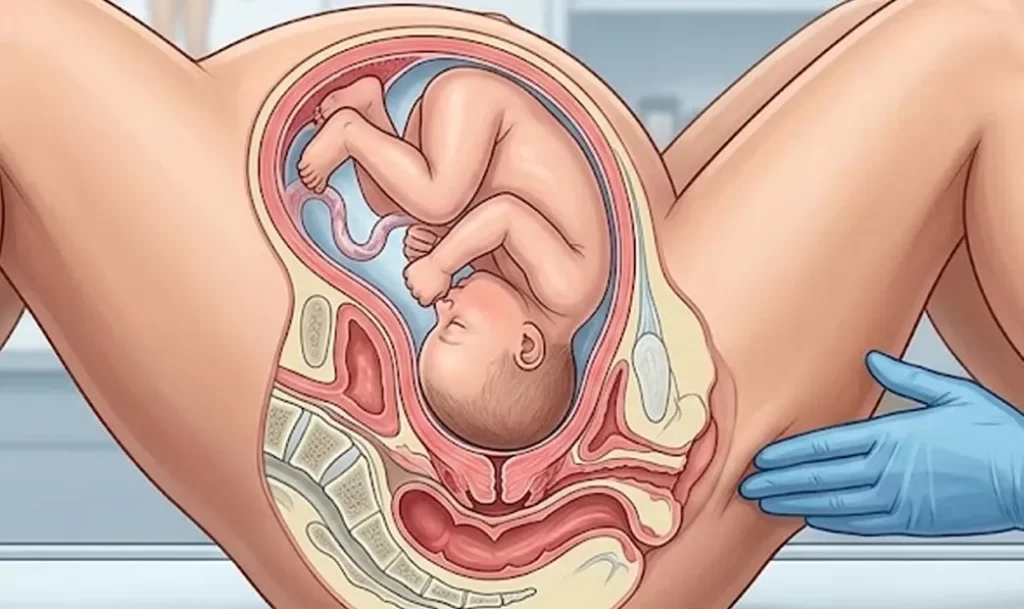
A C-section is recommended when vaginal delivery poses a risk to the health or life of the mother, the baby, or both.
Your obstetrician at Galwa Care Hospital will carefully evaluate your clinical situation and advise accordingly.

Placenta Previa and Placental Complications

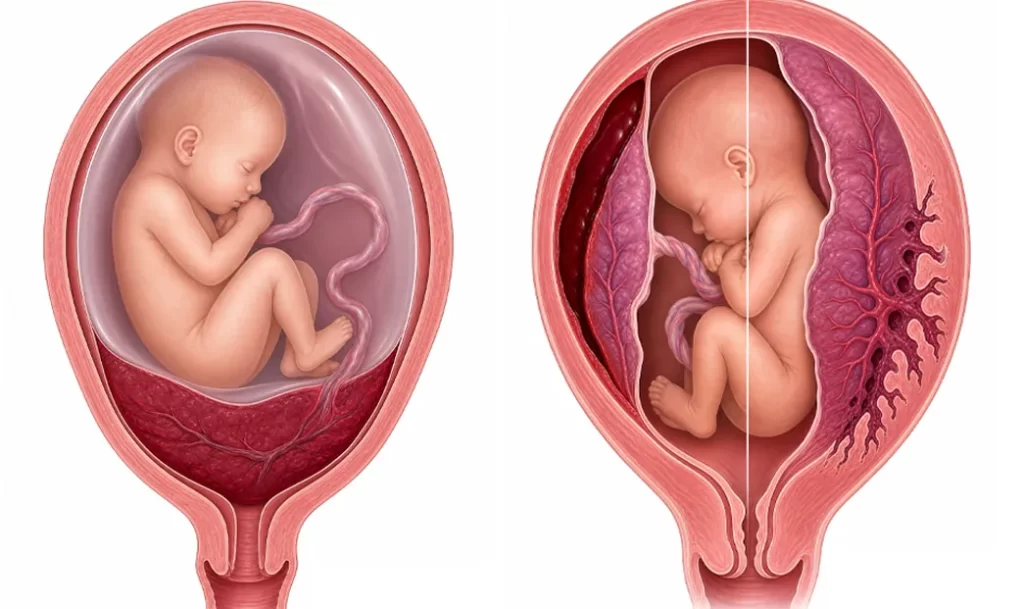
When the placenta is positioned low in the uterus and partially or completely covers the cervical opening, vaginal delivery is dangerous due to the risk of severe haemorrhage. Placental abruption, where the placenta separates prematurely, also requires immediate surgical delivery.

Fetal Distress and Cord Prolapse

When continuous monitoring reveals abnormal fetal heart rate patterns indicating the baby is not tolerating labour, or when the umbilical cord prolapses ahead of the baby cutting off oxygen supply, an emergency C-section is required without delay.

Breech or Abnormal Fetal Presentation

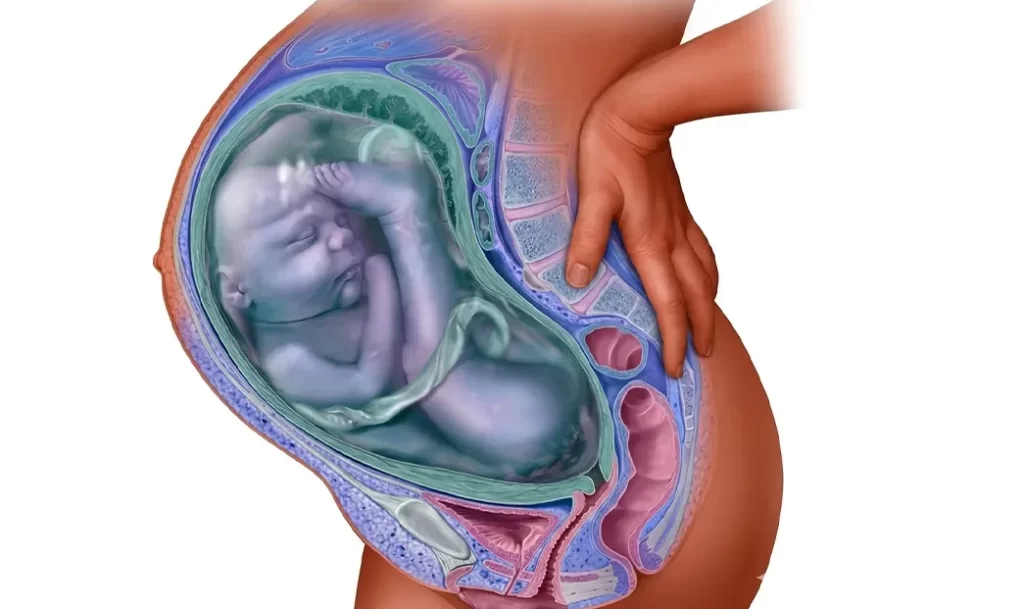
When the baby is positioned feet-first (breech), sideways (transverse lie), or in another abnormal position that makes safe vaginal delivery difficult or unsafe, a planned C-section provides the safest delivery route.

Cephalopelvic Disproportion or Failed Progress

When the baby’s head is too large to safely pass through the mother’s pelvis, or when labour fails to progress despite adequate contractions and medical support, a C-section is recommended to avoid risk to both mother and baby.

Multiple Pregnancy or Severe Maternal Conditions

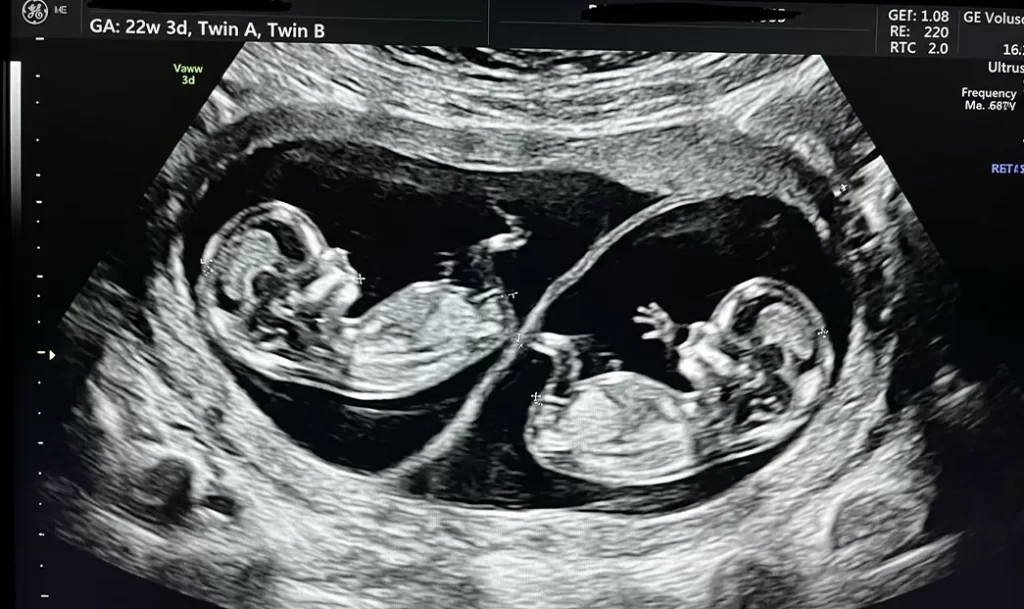
In cases of twins, triplets, or higher-order multiple pregnancies with unsafe presentation, or when severe preeclampsia, eclampsia, or serious maternal cardiac or neurological conditions make vaginal labour medically inadvisable.

Previous Uterine Surgery or Large Baby

Women who have had two or more previous cesarean deliveries, or whose baby has an exceptionally high estimated weight raising the risk of shoulder dystocia or birth injury, may be advised to deliver by planned C-section for the safest outcome.

Step by Step Through Your C-Section

The Cesarean Delivery Procedure

A planned C-section follows a clear clinical pathway — preparation, safe anaesthesia, careful delivery, surgical closure and monitored recovery for mother and baby.

Pre-Operative Preparation

Before surgery, fasting, blood tests, blood pressure check, fetal monitoring and IV access are completed. Abdomen preparation and catheter placement are handled under anaesthesia for safety and comfort.

Anaesthesia & Comfort

Most C-sections are performed with spinal or epidural anaesthesia, keeping you awake, comfortable and pain-free. Emergency cases may require general anaesthesia when clinically safer.

Positioning & Sterile Draping

You are positioned with a slight left tilt to support blood flow, then covered with sterile drapes. In planned C-sections, a birth partner may usually remain nearby for reassurance.

Skin & Uterine Incision

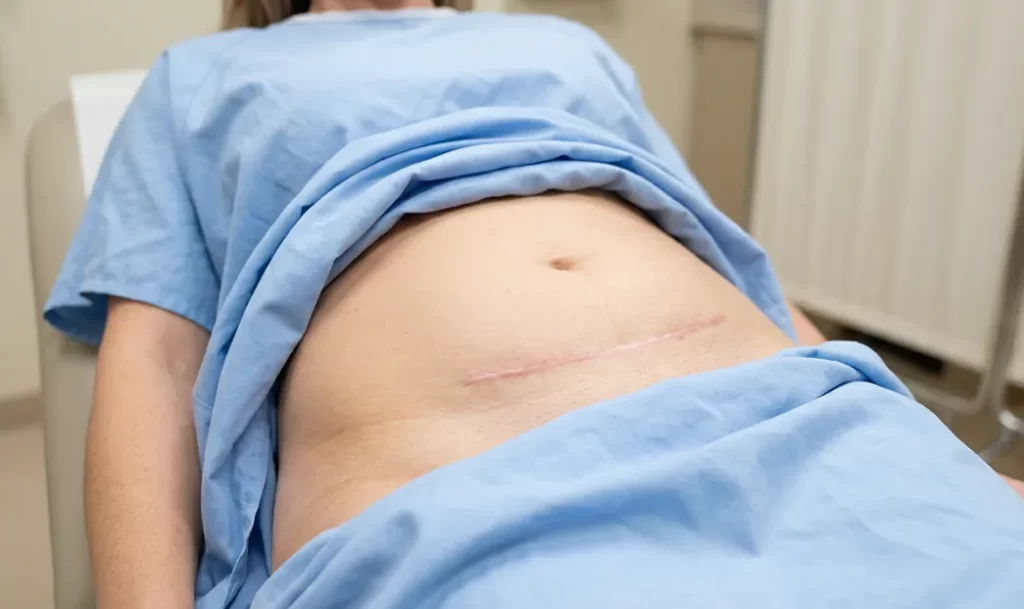
A low bikini-line incision is made, abdominal layers are opened carefully, and a lower-segment uterine incision is created. This gives controlled, safe access for baby delivery.

Safe Delivery of Baby

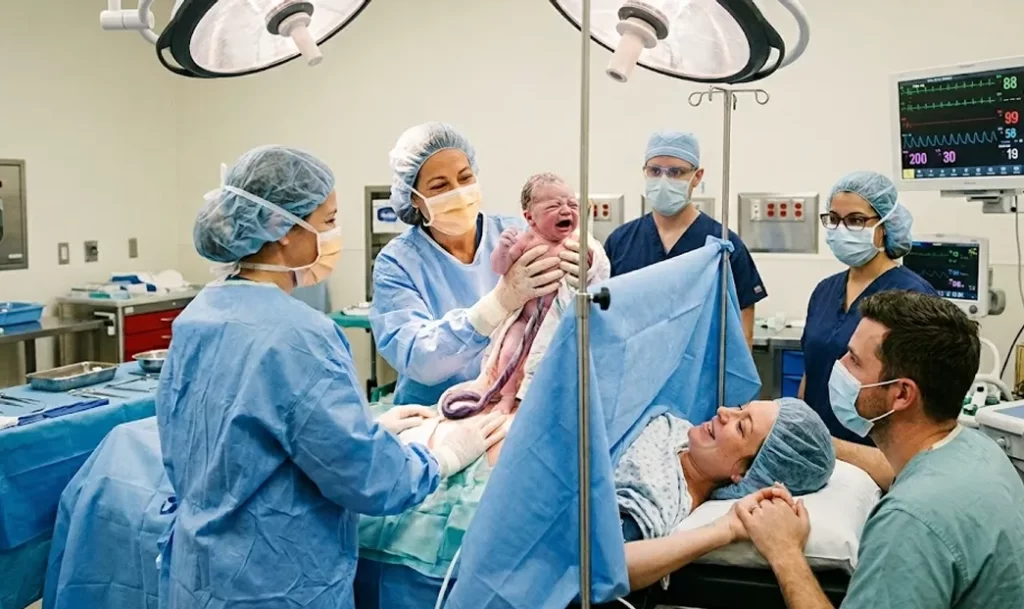
The baby is gently guided out, usually within minutes of the incision. You may feel pressure but no pain, while the neonatology team immediately checks breathing, warmth and wellbeing.

Placenta & Surgical Closure

The placenta is delivered and checked, then the uterus and abdominal layers are closed with dissolvable sutures. Careful closure supports healing, comfort and safe post-delivery recovery.

Recovery & First Bonding

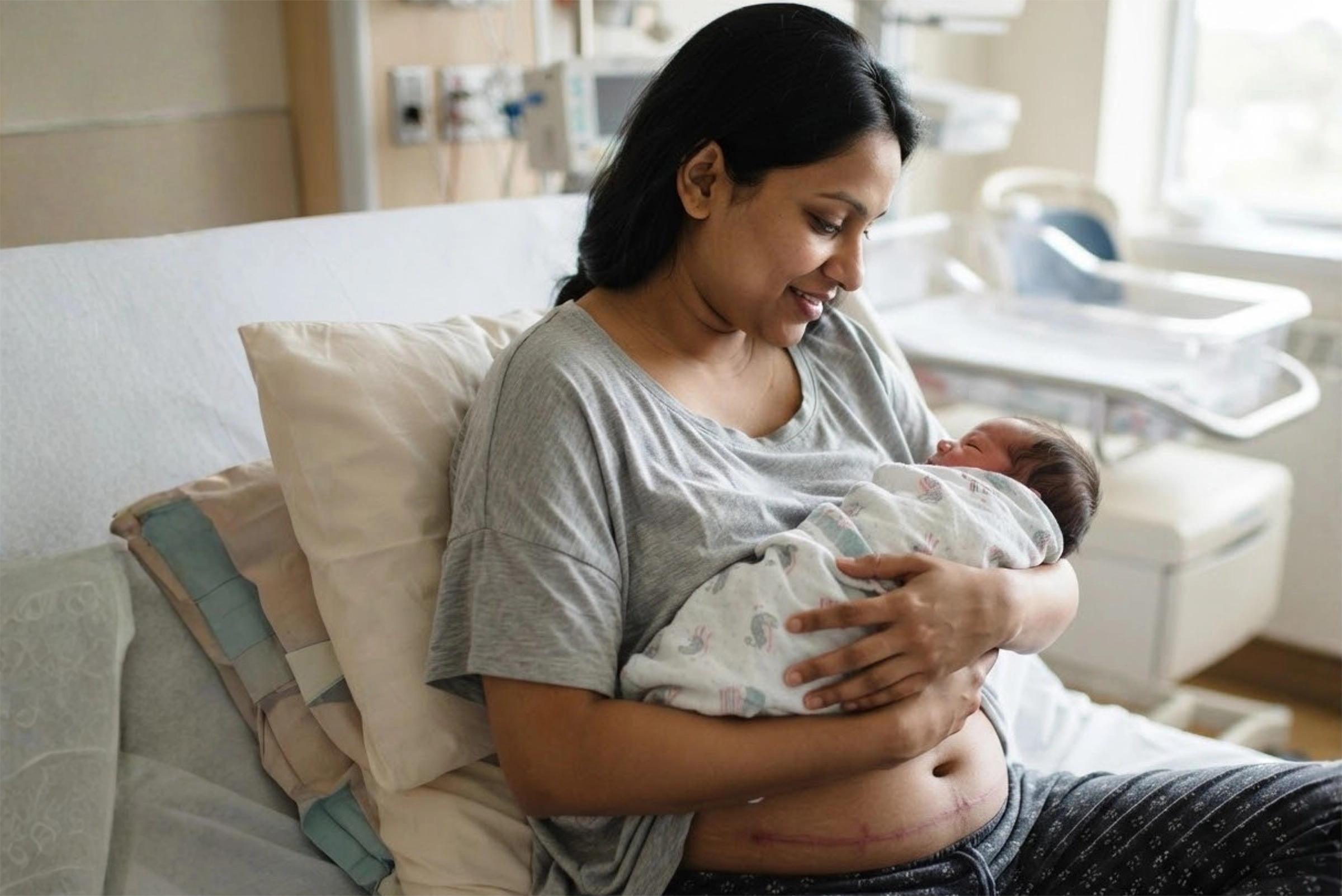
In recovery, your vitals, bleeding, wound and pain control are closely monitored. Skin-to-skin contact and breastfeeding begin as soon as mother and baby are stable.

When Surgery Is the Safest Choice

Benefits of Cesarean Section Delivery

When clinically indicated, a cesarean section is a life-saving and clinically essential procedure that provides critical
advantages for both mother and baby in a wide range of complex and high-risk pregnancy scenarios.

Life-Saving in Obstetric Emergencies

In emergency situations such as fetal distress, cord prolapse, or severe placental abruption, a C-section can be the critical difference between a safe outcome and a tragedy for both mother and baby.

Planned and Controlled Delivery

An elective C-section allows the birth to be scheduled at a known time, reducing uncertainty and allowing both the family and the full medical team to be completely prepared and ready for a calm, safe procedure.

Elimination of Birth Canal Trauma

C-section completely eliminates the risk of perineal tears, episiotomy wounds, and significant pelvic floor injuries associated with a difficult or complicated vaginal delivery in high-risk cases.

Safe Delivery in Abnormal Fetal Presentations

For breech, transverse, or other abnormal fetal positions, C-section provides the only safe delivery route, avoiding the significant risks associated with attempting complicated vaginal birth in these presentations.

Prevention of Vertical Infection Transmission

In cases of active genital herpes or certain other maternal infections at the time of labour, C-section protects the newborn from exposure to the infection during passage through the birth canal.

Predictable Timing for High-Risk Pregnancies

For mothers with serious medical conditions, the ability to schedule delivery at the optimal time under fully controlled conditions significantly reduces the risk of acute complications arising during unplanned labour.

Reduced Risk of Birth Asphyxia

In documented cases of fetal compromise or placental insufficiency, timely C-section delivery reduces the risk of oxygen deprivation and associated neurological damage that prolonged vaginal labour may cause.

Gentle Cesarean Option Available

For eligible patients at Galwa Care Hospital, a gentle or family-centred cesarean is offered, including lowering the surgical drape at delivery, immediate skin-to-skin contact on the operating table, and delayed cord clamping.

Peace of Mind When Vaginal Delivery Carries Risk

When vaginal delivery carries known and significant risks, a planned C-section offers the reassurance of a controlled, well-prepared surgical procedure with a skilled, experienced, and fully ready team in place.

Comprehensive Neonatal Readiness

At every C-section performed at Galwa Care Hospital, the neonatology team and NICU facility are immediately present and prepared, ensuring expert newborn care is available from the very first breath if required.

Before and After, Care Makes the Difference

Cesarean Delivery — Do's and Don'ts

Following these recommendations before your C-section and throughout your recovery will support the safest surgical
outcome, the most comfortable healing process, and the fastest return to normal life with your newborn.

DO'S — What You Should Do

Fast for a minimum of 6 to 8 hours before your scheduled C-section as instructed by your team.

Complete all pre-operative blood tests and investigations before your procedure date.

Arrange adequate home support for at least 4 to 6 weeks following your C-section discharge.

Take all prescribed post-operative pain relief medications consistently and on schedule.

Keep the wound clean and dry and follow all wound care instructions carefully as provided.

Attend your 7 to 10 day wound review appointment and comprehensive 6-week postpartum check.

Begin gentle walking as soon as you feel comfortable to prevent blood clots and support recovery.

Eat a nutritious, fibre-rich diet to support healing, energy for breastfeeding, and bowel recovery.

Ask for lactation support early as breastfeeding after C-section is entirely possible with the right help.

Discuss any emotional difficulties openly with your care team as postpartum support is always available.

DONT'S — What You Should Avoid

Do not lift anything heavier than your baby for at least 4 to 6 weeks after your C-section.

Avoid driving for at least 4 to 6 weeks or until you can perform an emergency stop without pain.

Do not engage in strenuous exercise, abdominal workouts, or heavy activity for 8 to 12 weeks.

Avoid sexual intercourse for a minimum of 6 weeks after delivery or until cleared by your obstetrician.

Do not ignore wound warning signs including increasing redness, swelling, discharge, or fever.

Avoid submerging the wound in water such as bathing or swimming until it is fully healed.

Do not skip follow-up appointments as wound monitoring and recovery assessment are essential.

Avoid making independent decisions about returning to normal activity without your doctor's clearance.

Do not dismiss feelings of disappointment or anxiety after an unplanned C-section, seek support.

Avoid comparing your recovery timeline with others as every woman heals at her own individual pace.

Surgical Excellence, Compassionate Delivery Care

Every C-Section
Delivered with
Precision and Heart

Highly experienced obstetric surgeons with extensive elective and emergency C-section expertise

Fully equipped modular operation theatres with advanced surgical, monitoring, and anaesthesia technology

24/7 emergency C-section capability with dedicated OT team, anaesthesiologist, and neonatologist always available

Expert obstetric anaesthesiology team specialising in spinal and epidural block for pain-free conscious delivery

Dedicated on-site NICU with neonatology team present at every cesarean delivery for immediate newborn care

Gentle cesarean option including skin-to-skin on the operating table and delayed cord clamping for eligible patients

Comprehensive postoperative recovery programme including wound care, lactation, physiotherapy, and emotional support

2000+

Eggs Successfully Frozen

98%

Vitrification Survival Rate

15+

Years of Experience

24/7

Support to Call

Transparent Surgical Maternity Pricing Always

How Much Does a Cesarean Delivery Cost?

The cost of cesarean delivery at Galwa Care Hospital depends on whether the procedure is elective or emergency, the anaesthesia type used, the duration of hospital stay, the level of neonatal care required, and the post-operative support needed. All pricing is communicated clearly and transparently upfront with no hidden charges.

Easy EMI Facility Available

Pre-operative investigations and assessment

Operation theatre and surgical team charges

Anaesthesia type and duration

Hospital stay and nursing care

Neonatal assessment and care

Post-operative medications and wound care

Postnatal stay and lactation support

Easy EMI Facility Available

Shape Image

C-Section Questions, Clearly Answered

Frequently Asked Questions.

No, C-sections are performed under spinal or epidural anaesthesia, which numbs the body from the chest downward completely. You will be fully awake, conscious, and alert throughout the procedure and will be able to hear your baby's first cry, but will feel no pain, only pressure and movement sensations. General anaesthesia, where you are completely asleep, is reserved only for specific emergency situations or when regional anaesthesia is clinically contraindicated. Our expert obstetric anaesthesiology team at Galwa Care Hospital ensures the safest and most comfortable anaesthetic experience for every patient.

The delivery of the baby typically occurs within the first 5 to 10 minutes of surgery. The complete procedure including uterine and abdominal closure takes approximately 45 to 60 minutes in total for an uncomplicated cesarean. Most women are discharged 3 to 4 days after an uncomplicated C-section at Galwa Care Hospital, once pain is well controlled, the wound is healing satisfactorily, and both mother and baby are medically stable and ready for safe home care.

Yes, absolutely. Breastfeeding after a C-section is entirely possible and strongly encouraged. Our lactation team at Galwa Care Hospital provides specialist support from the very first feed, helping you find comfortable positions that avoid pressure on your wound. Regarding the scar, the Pfannenstiel bikini-line incision used in most planned C-sections heals very well and sits low enough to be largely hidden beneath underwear and swimwear. With proper wound care and time, the scar typically fades significantly over 12 to 18 months.

Most obstetricians consider up to three C-sections to be generally manageable, though each subsequent cesarean carries increasing risk of complications such as adhesions and abnormal placentation. Your obstetrician at Galwa Care Hospital will assess your individual circumstances and provide personalised guidance. For exercise, gentle walking is encouraged from the first week. Light exercises can typically begin at 6 to 8 weeks, but strenuous workouts, abdominal exercises, and heavy lifting should be avoided for at least 8 to 12 weeks following your procedure.

In many carefully selected cases, yes. VBAC (Vaginal Birth After Caesarean) is possible for women with one previous lower-segment cesarean scar. Eligibility depends on the reason for the previous C-section, the type of uterine incision made, the number of previous cesareans, and your current pregnancy profile. Your specialist at Galwa Care Hospital will conduct a comprehensive individual assessment covering all relevant clinical factors and will discuss all available delivery options with you fully, openly, and without pressure so that you can make the most informed decision for your next birth.

Appointment Request Form

Care Packages for Every Stage

Take the First Step Towards Better Care

Schedule your personalized consultation at Galwa Care Hospital to experience medical expertise combined with compassionate support for every patient journey
GALWA CARE