Advanced IVF, IUI & ICSI treatments with highest success rates — compassionate care for every step of your fertility journey.
State-of-the-art IVF lab, experienced embryologists and personalised protocols for the best possible outcomes.
Comprehensive care across pregnancy, fertility and advanced gynaecology — delivered with privacy, safety and compassion.
15+ years of expertise, advanced labs and personalised treatment plans.
Advanced facial & body cosmetic procedures by expert surgeons — natural results, minimal downtime, maximum confidence.
Board-certified surgeons delivering natural, beautiful results with the latest techniques.
Expert reconstructive & plastic surgery for hand, birth deformities, cancer reconstruction and trauma — restoring form and function with precision.
Advanced body contouring, breast surgeries & intimate procedures by expert surgeons — natural results, renewed confidence.
Advanced laser skin treatments, intimate wellness procedures & expert hair restoration — all under one roof.
State-of-the-art laser tech & hair restoration by certified specialists.
Comprehensive fertility, hormonal & genetic diagnostics for females and males — accurate, fast and confidential.
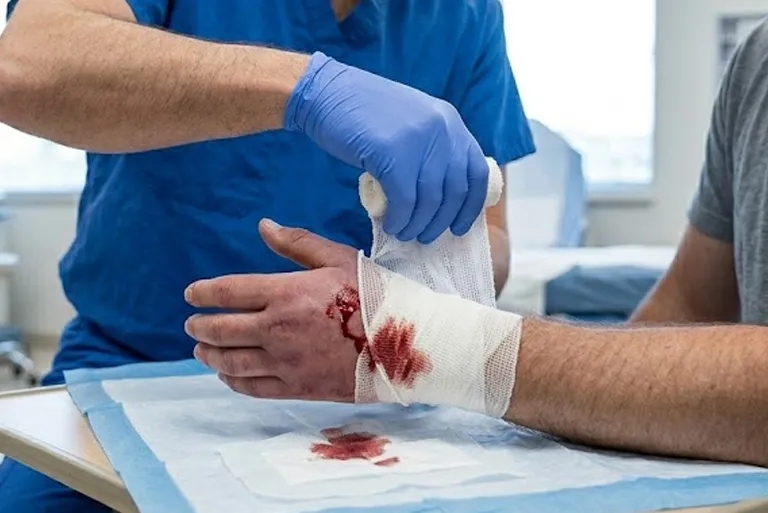
Crush injury hand treatment is needed when severe trauma damages skin, tendons, nerves, vessels, bones or soft tissue of the hand.
Our team assesses tissue viability, circulation, fractures and functional priorities before planning wound care, fixation, repair or reconstruction.
Early specialist care helps protect hand function, reduce complications and improve the chance of meaningful recovery.
Our team responds to crush injuries with the urgency they demand, conducting a systematic clinical assessment of all affected structures supported by imaging to understand the full extent of the injury. The surgical plan is developed quickly and comprehensively, addressing the sequence of repairs needed to restore circulation, stabilise bone, repair tendons and nerves, and close or reconstruct the skin and soft tissue. Where staged reconstruction is required, each operative phase is planned in advance and clearly explained to the patient and family. Microsurgical techniques are used where needed to repair blood vessels and nerves under magnification, giving the best possible chance of restoring sensation, movement, and circulation to the hand.
At Galwa Care Hospital, recovery from a crush injury is supported through a structured rehabilitation programme that begins as early in the post-operative period as safely possible. Physiotherapy and occupational therapy help the patient progressively rebuild movement, strength, and the practical hand skills needed for daily life and work. Our team provides honest and supportive guidance throughout the often lengthy recovery journey, helping patients understand what to expect at each stage and celebrating the milestones of returning function. We remain closely involved through all follow-up appointments, adapting the recovery plan as needed and providing the clinical and emotional support that makes a meaningful difference to long-term outcomes.


Yes, a crush injury of the hand is a surgical emergency. The hand should be elevated to reduce swelling, any bleeding controlled with gentle pressure, and the patient transported to a specialist hand surgery facility as quickly as possible. If any part of the hand or a finger has been amputated or partially detached, the amputated part should be kept cool in a clean plastic bag surrounded by ice but not in direct contact with ice, and brought with the patient to the hospital. Time is critical; the faster specialist care is initiated, the better the chance of preserving hand function.
Most moderate to severe crush injuries require surgical intervention. The extent and number of operations depends on the severity of the injury, the structures involved, and how the tissues respond in the days following the initial surgery. In complex cases, a staged approach is used where the most urgent repairs are performed first and further reconstruction is planned once swelling has reduced and the condition of the tissues can be more accurately assessed. At Galwa Care Hospital, the entire surgical plan is explained to the patient and family from the outset so that expectations are clear and realistic.
The degree of functional recovery depends on the severity of the injury, the structures that were damaged, how quickly specialist care was received, and how committed the patient is to post-operative rehabilitation. In less severe cases, very good functional recovery is achievable. In more severe injuries involving extensive bone, tendon, nerve, and vessel damage, the goal shifts to maximising the function that can be restored rather than guaranteeing complete recovery. Early expert treatment and dedicated rehabilitation consistently produce the best possible outcomes for each individual case.
Microsurgery is frequently required in crush injury management to repair damaged blood vessels and nerves under magnification. This specialist technique is essential for restoring circulation to the hand and maximising the potential for sensory and motor nerve recovery. Recovery from a crush injury is typically measured in months rather than weeks, with physiotherapy and occupational therapy playing a central role throughout. At Galwa Care Hospital, a structured rehabilitation programme is integrated into the recovery plan from the earliest possible stage to support the progressive return of movement, strength, and daily hand function.
Expert, timely surgical care significantly reduces the risk of amputation following crush injury. The most important factors in avoiding permanent damage or loss of the hand are the speed of reaching specialist care, the restoration of blood supply, and the quality of the surgical repairs performed. Delays in treatment, severe contamination of open wounds, and very extensive destruction of the hand's structures all increase the risk of complications and long-term disability. At Galwa Care Hospital, the team is experienced in managing the most complex crush injuries with the goal of preserving every possible component of hand function.