Shopping cart

Subtotal 0

View cartCheckout

Burn Deformities Jodhpur

Understanding Burn
Deformities

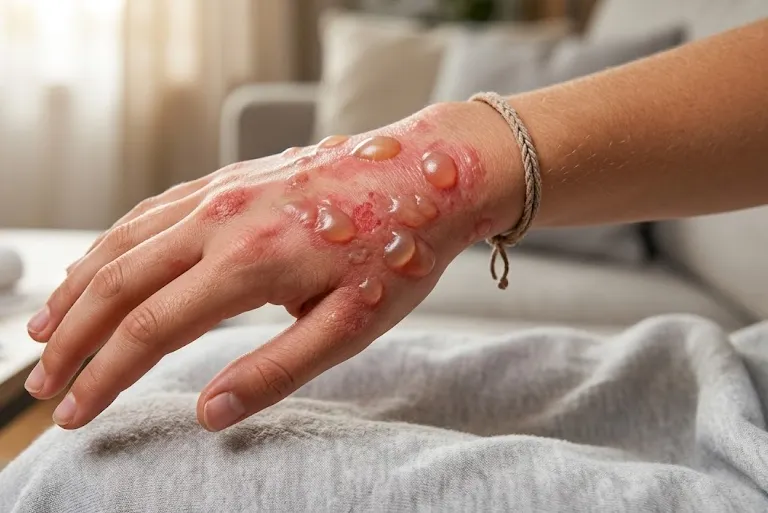
Burn deformity correction improves tight scars, contractures, restricted movement and visible changes caused by previous burn injuries.

Our team evaluates scar depth, joint mobility, skin shortage and functional limitation before planning release, grafting, flap surgery or staged reconstruction.

Treatment aims to restore movement, reduce discomfort and improve appearance with practical, long-term reconstructive planning.

RELEASE, RESTORE, RENEW

How we help at
Galwa Care Hospital

At Galwa Care Hospital, burn deformity reconstruction combines precise surgical technique with structured rehabilitation
to restore movement, improve appearance, and support every patient's journey back to confidence and independence.

Our surgical team begins with a thorough assessment of the extent and nature of the contracture, the structures involved, the quality of the surrounding tissue, and the patient’s functional priorities and aesthetic concerns. This evaluation guides the selection of the most appropriate reconstructive technique for each individual case. Scar release and geometric rearrangement correct the mechanical restriction by changing the direction and length of the scar, while skin grafting and flap reconstruction provide additional skin and soft tissue coverage where the released area cannot be closed directly. The procedure is planned with careful attention to both the immediate restoration of movement and the long-term stability of the reconstructed area.

At Galwa Care Hospital, the reconstructive procedure is only the beginning of the treatment journey. Post-operative physiotherapy, pressure garment therapy, and splinting are all integral components of the plan and are essential for maintaining the mobility gained through surgery and preventing the new tissue from contracting as it heals. Our team provides consistent, structured follow-up throughout the recovery and scar maturation period, remaining accessible and supportive as patients progress. We recognise that the psychological impact of burn injuries is profound, and our approach throughout is one of genuine empathy, encouragement, and commitment to helping every patient achieve the best possible quality of life.

RECLAIM MOVEMENT, RECLAIM LIFE

Why and For Whom Is Burn Deformity
Treatment Important?

Burn deformity treatment is important for anyone whose quality of movement, daily function, appearance, or emotional
well-being is being significantly affected by the tightening and scarring that has developed following a burn injury.

Restricted joint movement or limb function caused by post-burn scar contracture.

Joint stiffness or inability to fully extend or flex an affected limb due to tight scar tissue.

Burn contractures in children affecting normal growth and progressive worsening of restriction.

Visible burn scars on the face, neck, or hands significantly affecting appearance and self-esteem.

Facial or neck contractures affecting expression, posture, or the ability to look upward.

Hand or finger contractures preventing normal grip, writing, self-care, or occupational tasks.

Recurrent tightening despite non-surgical pressure garment or physiotherapy management.

Desire for both improved functional movement and a better cosmetic appearance of the scar.

Burn survivors seeking improved independence, confidence, and quality of daily life.

Staged or complex reconstructive procedures needed following extensive or deep burn injuries.

Shape Image

Questions & Answers

Frequently Asked Questions.

Burn deformities, or contractures, develop when deep burn wounds heal with scar tissue that is more rigid and shorter than the normal skin it replaced. During the healing and maturation process, this scar tissue progressively tightens and pulls the surrounding structures into abnormal positions, restricting the range of movement of the affected joints and altering the appearance of the skin. The process is gradual and may continue for a year or more after the original burn, which is why ongoing monitoring and timely intervention are important parts of burn aftercare.

Yes, reconstructive surgery for burn deformities can be performed at any stage after the original burn, including many years later. While earlier intervention during active scar maturation can sometimes prevent the most severe contractures from developing, patients who did not have access to timely reconstruction, or whose contracture has worsened over time, can still benefit significantly from surgery at a later stage. The surgical approach may differ depending on the age and quality of the scar, but meaningful improvement in both function and appearance is consistently achievable.

The most appropriate surgical approach depends on the location, severity, and nature of the contracture. Options include scar release with geometric rearrangement techniques such as Z-plasty, which change the direction and length of the scar to improve flexibility, skin grafting where the released area requires additional skin coverage, and flap reconstruction using healthy tissue from a nearby or distant area where grafting is insufficient. At Galwa Care Hospital, the most appropriate technique for each individual case is selected following a thorough assessment and discussed with the patient in detail before the procedure.

Yes, physiotherapy and post-operative rehabilitation are essential components of burn deformity treatment and are just as important as the surgery itself. Without structured post-operative physiotherapy, pressure garment therapy, and appropriate splinting, the newly reconstructed area can tighten again as it heals. With a proper rehabilitation programme, the risk of recurrence is significantly reduced, and the functional gains achieved through surgery are maintained. At Galwa Care Hospital, a structured physiotherapy plan is integrated into every burn reconstruction case from the planning stage onward.

Yes, aesthetic improvement is an important and explicitly planned component of burn deformity reconstruction. Improving the appearance of visible scars on the face, neck, and hands makes a real and meaningful difference to how patients feel about themselves and how they engage with the world around them. Many patients describe the period after successful reconstruction as transformative, allowing them to return to social and professional activities with renewed confidence. At Galwa Care Hospital, we treat the whole person, not just the scar, and our team approaches every burn reconstruction with equal attention to functional outcomes and the emotional recovery that meaningful aesthetic improvement can support.

Appointment Request Form

Care Packages for Every Stage

Take the First Step Towards Better Care

Schedule your personalized consultation at Galwa Care Hospital to experience medical expertise combined with compassionate support for every patient journey
GALWA CARE