Shopping cart

Subtotal 0

View cartCheckout

Wound Care Jodhpur

Understanding Wound
Management

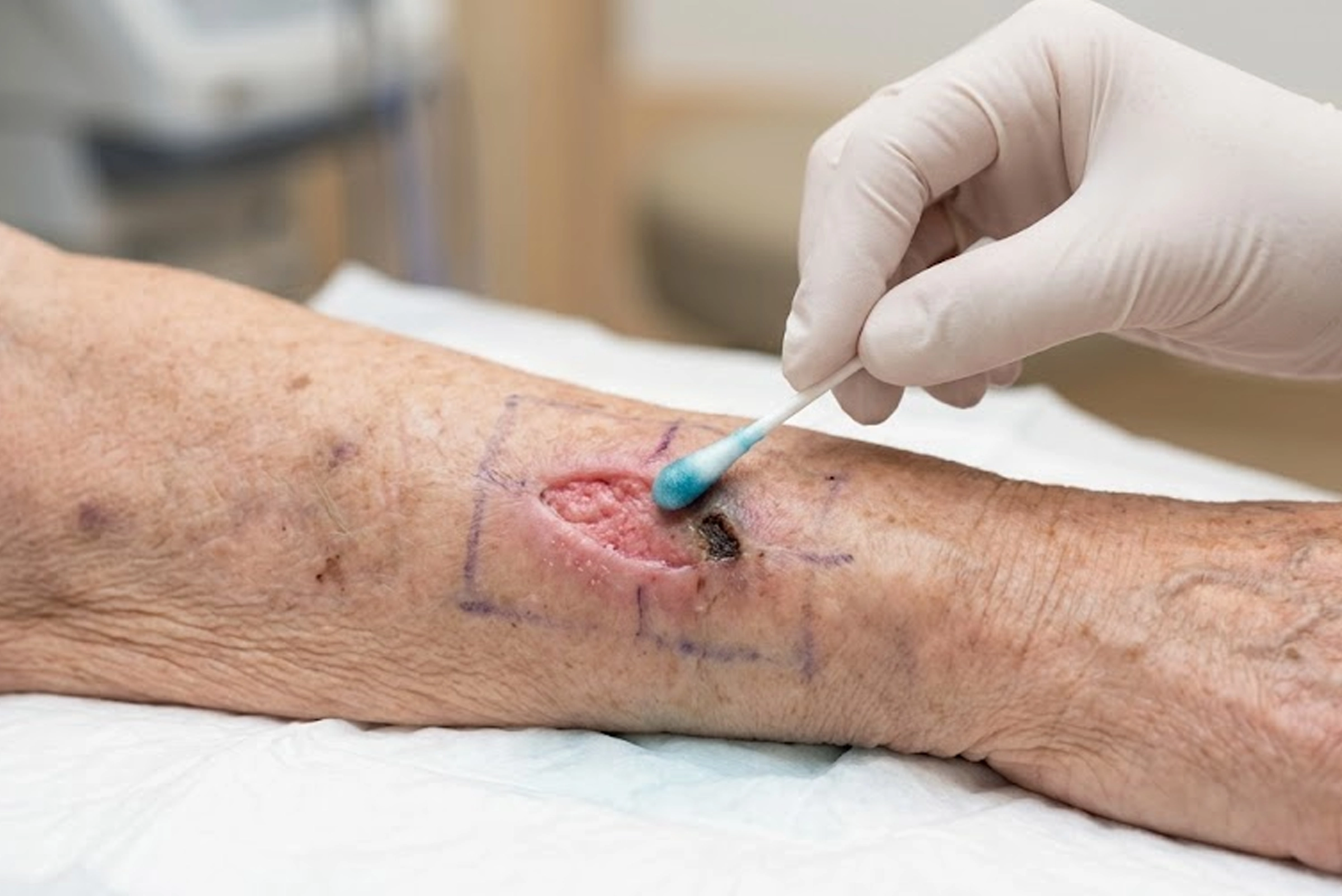
Wound management treats non-healing, infected, traumatic, diabetic or complex surgical wounds that need more than routine dressing care.

Our team evaluates the cause, depth, tissue health and infection risk before planning debridement, dressings, grafts or flap coverage.

The focus is faster healing, reduced complications and durable wound closure with specialist plastic surgical support.

HEAL, RESTORE, PROTECT

How we help at
Galwa Care Hospital

At Galwa Care Hospital, wound management is a comprehensive, individually planned process that addresses
both the wound and its underlying causes to achieve durable healing and lasting functional restoration.

Our plastic surgery wound care team begins with a thorough assessment of every complex wound, evaluating its size, depth, tissue viability, infection status, blood supply, and the underlying medical factors contributing to its persistence. This assessment forms the basis of a structured wound management plan that sequences interventions logically, from initial debridement and infection control through to definitive wound closure or coverage using the most appropriate surgical technique. The plan is reviewed and adjusted at regular intervals as the wound’s condition evolves, ensuring that treatment remains responsive to the patient’s progress.

At Galwa Care Hospital, our wound management approach treats every wound as a clinical challenge that requires both surgical skill and careful medical management. We work collaboratively with endocrinologists, vascular surgeons, nutritionists, and physiotherapists as needed to address the systemic factors that are preventing healing alongside the local wound care itself. Patients receive clear guidance on wound care between appointments, the lifestyle and health modifications that will support healing, and what signs to monitor that would warrant earlier review. Our goal is to help every patient achieve durable healing, avoid amputation where it is at risk, and return to comfortable, mobile daily life.

WHEN WOUNDS NEED SPECIALISTS

Why and For Whom Is Wound
Management Important?

Specialist wound management is essential for any wound that is failing to heal as expected, causing
significant distress, or posing a risk of serious complication such as infection, tissue loss, or limb loss.

Chronic diabetic foot ulcers that have not responded to standard wound dressing or routine care.

Pressure sores at stage 2 or above caused by immobility, long hospital stays, or neurological conditions.

Traumatic wounds with deep tissue loss involving exposed bone, tendon, or neurovascular structures.

Non-healing surgical wounds or postoperative wound complications requiring reconstructive intervention.

Radiation-induced skin breakdown or tissue necrosis following cancer treatment.

Burn wounds requiring advanced reconstructive coverage beyond the capacity of standard burn care.

Vascular disease-related wounds where compromised blood supply is preventing normal healing.

Infected wounds requiring surgical debridement and reconstruction to achieve a clean healing environment.

Limbs at risk of amputation due to progressive wound deterioration needing urgent specialist intervention.

Desire to minimise scarring and restore functional tissue integrity through specialist reconstructive care.

Shape Image

Questions & Answers

Frequently Asked Questions.

A wound requires specialist plastic surgical management when it fails to progress through normal healing stages despite appropriate basic care, when it involves significant loss of skin or deeper tissue, when it contains infection that has not responded to standard antibiotics and dressings, when it exposes underlying bone, tendon, or neurovascular structures, or when the patient's underlying medical conditions such as diabetes or vascular disease are significantly impairing the body's ability to heal. At Galwa Care Hospital, early specialist assessment of wounds that show any of these features leads to faster and more durable healing outcomes.

The most commonly used techniques include surgical debridement to remove non-viable and infected tissue and prepare a healthy wound bed, negative pressure wound therapy which uses controlled suction to reduce swelling, promote healing tissue growth, and manage wound moisture, skin grafting to resurface areas where skin has been lost, and flap surgery which transfers well-vascularised skin, fat, and sometimes muscle from a nearby or distant donor site to fill defects that are too large or too poorly vascularised for a graft alone. The technique selected is always the one most appropriate to the specific wound and patient.

Yes, timely and expert wound management can prevent amputation in many cases where the limb would otherwise be at risk. Early specialist intervention that addresses wound infection, improves tissue coverage, restores adequate blood supply to the wound area, and optimises the patient's overall medical condition gives the limb the best possible chance of healing and surviving intact. At Galwa Care Hospital, limb salvage through advanced wound reconstruction is a core priority, and the team works with vascular surgery colleagues when vascular optimisation is also required alongside reconstructive wound management.

The timeline for healing depends on the size and depth of the wound, the degree of infection or tissue damage present, the patient's underlying medical conditions, and how promptly specialist care was sought. Some wounds respond quickly to debridement and appropriate coverage and achieve durable healing within weeks. Others, particularly those in patients with diabetes, peripheral vascular disease, or significant nutritional deficiencies, may require extended management over many months with staged interventions. At Galwa Care Hospital, patients receive realistic guidance on expected timelines and regular review appointments to track and support progress.

Not always. Many complex wounds can be managed effectively on an outpatient basis with regular clinic visits for wound review, dressing changes, and interventional procedures under local anaesthesia. However, wounds that are severely infected, involve exposed deep structures, require general anaesthesia for debridement or flap reconstruction, or are in patients who are medically unstable will require hospital admission. At Galwa Care Hospital, the most appropriate care setting is determined individually for each patient based on the wound's severity and the treatment plan required.

Appointment Request Form

Care Packages for Every Stage

Take the First Step Towards Better Care

Schedule your personalized consultation at Galwa Care Hospital to experience medical expertise combined with compassionate support for every patient journey
GALWA CARE