Advanced IVF, IUI & ICSI treatments with highest success rates — compassionate care for every step of your fertility journey.
State-of-the-art IVF lab, experienced embryologists and personalised protocols for the best possible outcomes.
Comprehensive care across pregnancy, fertility and advanced gynaecology — delivered with privacy, safety and compassion.
15+ years of expertise, advanced labs and personalised treatment plans.
Advanced facial & body cosmetic procedures by expert surgeons — natural results, minimal downtime, maximum confidence.
Board-certified surgeons delivering natural, beautiful results with the latest techniques.
Expert reconstructive & plastic surgery for hand, birth deformities, cancer reconstruction and trauma — restoring form and function with precision.
Advanced body contouring, breast surgeries & intimate procedures by expert surgeons — natural results, renewed confidence.
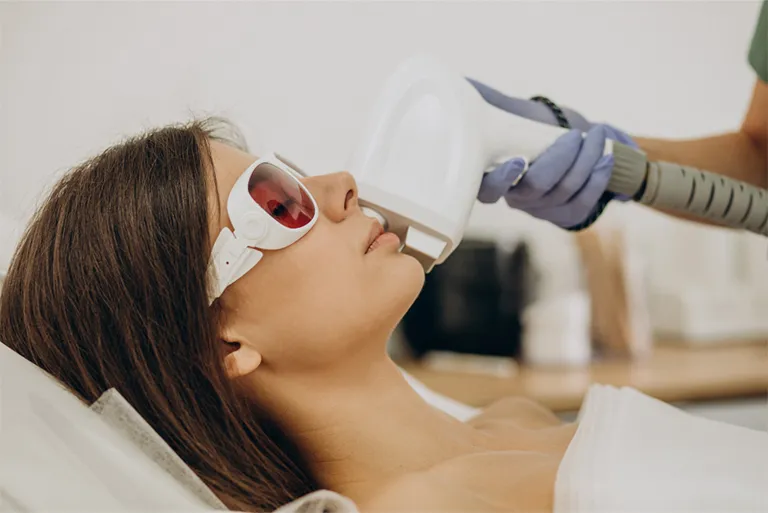
Advanced laser skin treatments, intimate wellness procedures & expert hair restoration — all under one roof.
State-of-the-art laser tech & hair restoration by certified specialists.
Comprehensive fertility, hormonal & genetic diagnostics for females and males — accurate, fast and confidential.
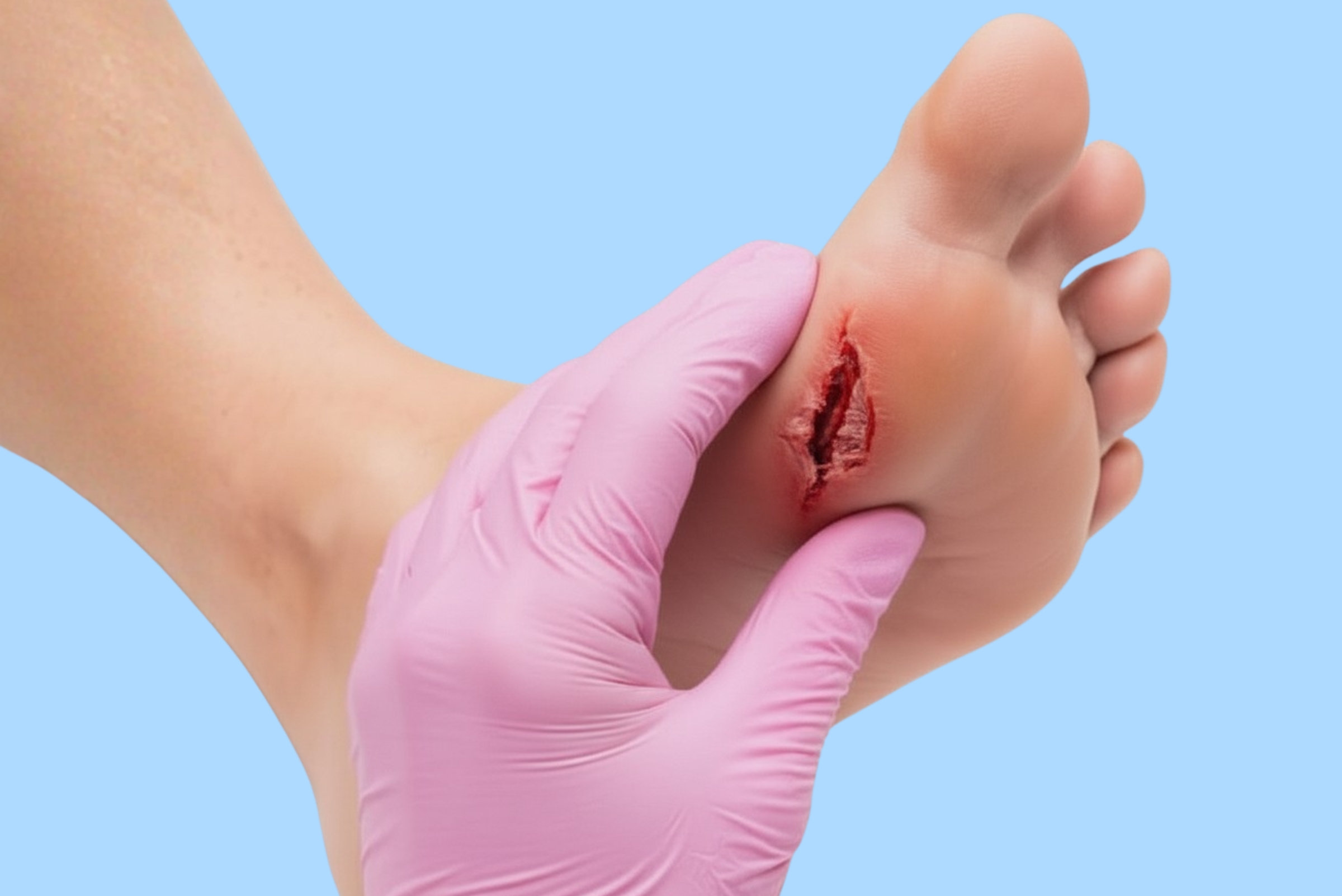
Diabetic foot management treats ulcers, infections, non-healing wounds and tissue damage caused by diabetes-related circulation or nerve problems.
At Galwa Care Hospital, care combines wound assessment, infection control, debridement, pressure relief and reconstructive planning when needed.
The focus is limb preservation, faster healing and prevention of recurrence through coordinated diabetic foot and plastic surgical care.
Our diabetic foot management team begins with a thorough assessment of every patient that includes evaluation of the wound itself, assessment of vascular status using Doppler studies and other investigations, neurological assessment of foot sensation, review of blood sugar control and overall medical management, and identification of any footwear or biomechanical factors contributing to the wound. This comprehensive evaluation forms the basis of an individualised treatment plan that addresses all the contributing factors rather than simply treating the visible wound. Surgical intervention, when required, is precisely planned and executed to achieve wound closure with the lowest possible risk of recurrence.
At Galwa Care Hospital, our care for diabetic foot patients is sustained and long-term rather than episodic. Patients receive regular follow-up appointments that monitor wound healing, assess vascular and neurological status, and reinforce the preventive measures that protect against future complications. Patient education is a fundamental part of every consultation, ensuring that every person understands their condition, knows how to inspect their feet correctly, and recognises the warning signs that warrant immediate specialist review. We work collaboratively with diabetologists, vascular surgeons, and podiatrists to ensure every patient receives the most comprehensive and coordinated care pathway available.


Diabetic foot complications are serious because two features of diabetes, nerve damage and reduced blood supply, combine to make feet uniquely vulnerable to wounds and uniquely poor at healing them. Nerve damage means injuries may go completely unfelt until they are advanced. Reduced blood supply means the immune response is impaired and the healing process is slowed or arrested. The result is that a wound that would heal quickly in a healthy person can become a deep, infected, chronic ulcer in a diabetic patient, and without specialist management the risk of losing the limb escalates rapidly.
Not always. Many diabetic foot ulcers respond well to non-surgical treatment including optimal wound dressings, offloading pressure from the affected area, systemic and local infection control, and tight blood sugar management. However, wounds that involve deep infection, exposed bone or tendon, inadequate blood supply, or significant tissue loss require surgical intervention. Surgical debridement removes infected and non-viable tissue, and reconstructive procedures including skin grafting and flap surgery provide durable wound coverage when conservative measures are insufficient. At Galwa Care Hospital, the most appropriate treatment pathway is determined individually for every patient.
Negative Pressure Wound Therapy, or NPWT, is a technique that applies controlled suction to a wound through a sealed dressing connected to a vacuum pump. In diabetic foot wounds, NPWT reduces wound oedema, promotes the formation of healthy granulation tissue that is necessary for wound closure, manages wound moisture, and reduces the bacterial load in the wound. It is particularly useful in preparing a complex diabetic foot wound for subsequent skin grafting or flap surgery, and is often used as a bridge treatment between initial debridement and definitive wound closure.
Yes, many diabetic foot complications can be prevented or significantly delayed through regular specialist review, daily foot inspection, appropriate footwear, tight blood sugar control, and prompt treatment of even minor foot injuries before they escalate. However, once a patient has experienced a diabetic foot ulcer, the risk of recurrence is significant, and ongoing engagement with a specialist care programme is the most effective protection against future episodes. At Galwa Care Hospital, every diabetic foot patient receives education and a structured preventive plan alongside treatment of their current wound.
Not in every case, but specialist reconstructive management significantly improves the chances of limb salvage compared to non-specialist care. Early specialist involvement, aggressive wound management, vascular optimisation, and reconstructive surgery together give the limb the best possible chance. At Galwa Care Hospital, limb preservation is always the primary goal, and the multidisciplinary team works collaboratively to achieve it whenever it is medically achievable and in the patient's best interest. When amputation is ultimately unavoidable, careful planning ensures the lowest level of amputation possible, preserving as much function as the situation allows.