Advanced IVF, IUI & ICSI treatments with highest success rates — compassionate care for every step of your fertility journey.
State-of-the-art IVF lab, experienced embryologists and personalised protocols for the best possible outcomes.
Comprehensive care across pregnancy, fertility and advanced gynaecology — delivered with privacy, safety and compassion.
15+ years of expertise, advanced labs and personalised treatment plans.
Advanced facial & body cosmetic procedures by expert surgeons — natural results, minimal downtime, maximum confidence.
Board-certified surgeons delivering natural, beautiful results with the latest techniques.
Expert reconstructive & plastic surgery for hand, birth deformities, cancer reconstruction and trauma — restoring form and function with precision.
Advanced body contouring, breast surgeries & intimate procedures by expert surgeons — natural results, renewed confidence.
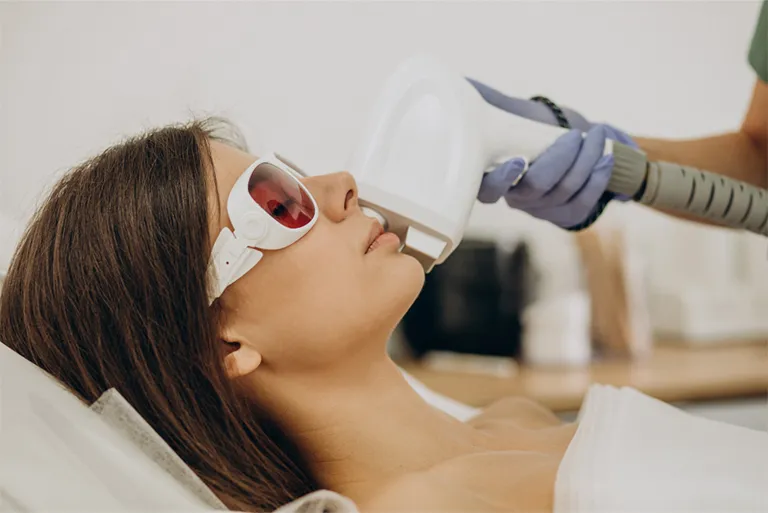
Advanced laser skin treatments, intimate wellness procedures & expert hair restoration — all under one roof.
State-of-the-art laser tech & hair restoration by certified specialists.
Comprehensive fertility, hormonal & genetic diagnostics for females and males — accurate, fast and confidential.
PICSI is an advanced sperm selection method that identifies physiologically mature sperm before ICSI using hyaluronic acid binding.
At Galwa Care Hospital, Jodhpur, PICSI is recommended selectively for high DNA fragmentation, recurrent loss or previous IVF/ICSI failure.
It helps choose sperm with better maturity and DNA potential, improving confidence during fertilisation planning.
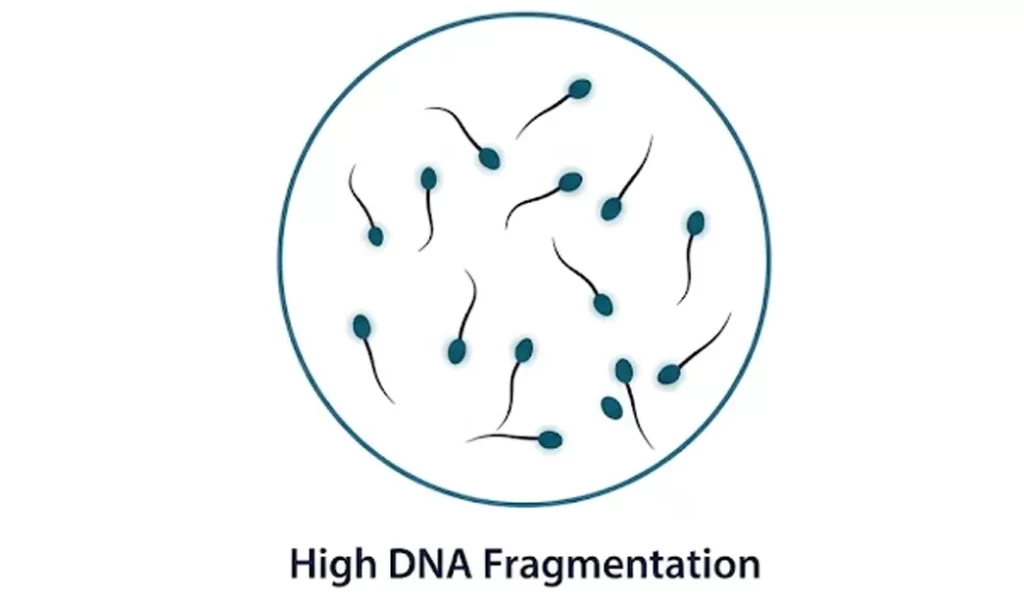
When semen analysis reveals elevated levels of sperm DNA fragmentation, there is a higher risk of fertilization failure, poor embryo development, and recurrent pregnancy loss. PICSI helps select sperm with intact DNA, significantly lowering this risk.
Couples who have undergone multiple unsuccessful IVF or ICSI cycles without a clear explanation may benefit greatly from PICSI, as selecting physiologically mature sperm addresses hidden sperm quality issues that conventional visual selection cannot detect.
Recurrent pregnancy loss, particularly in the first trimester, may sometimes be linked to poor sperm DNA quality. PICSI ensures that only genetically sound sperm are used, potentially reducing miscarriage risk and improving the chances of a healthy full-term pregnancy.
In cases of severe oligospermia, asthenospermia, or teratospermia, the available sperm pool may be limited and of variable quality. PICSI provides an additional biological layer of selection to identify the best available sperm even in the most challenging cases.
If previous treatment cycles resulted in poor-quality embryos, arrested embryo development, or failed blastocyst formation, PICSI may be recommended to improve embryo quality and increase the likelihood of successful implantation.
As men age, sperm DNA fragmentation tends to increase. For couples where the male partner is above the age of 40, PICSI can be a valuable tool in ensuring the best quality sperm are selected to optimize the chances of a healthy pregnancy.
The female partner undergoes controlled ovarian stimulation using hormone injections to develop multiple mature eggs, which are then retrieved through a minimally invasive ultrasound-guided procedure under light sedation.
Required preparation, screening and safety checks are completed before sample collection or procedure planning.
Sperm are incubated with the hyaluronic acid droplets for a defined period. Only biologically mature sperm with low DNA fragmentation, intact acrosome function, and proper nuclear configuration.
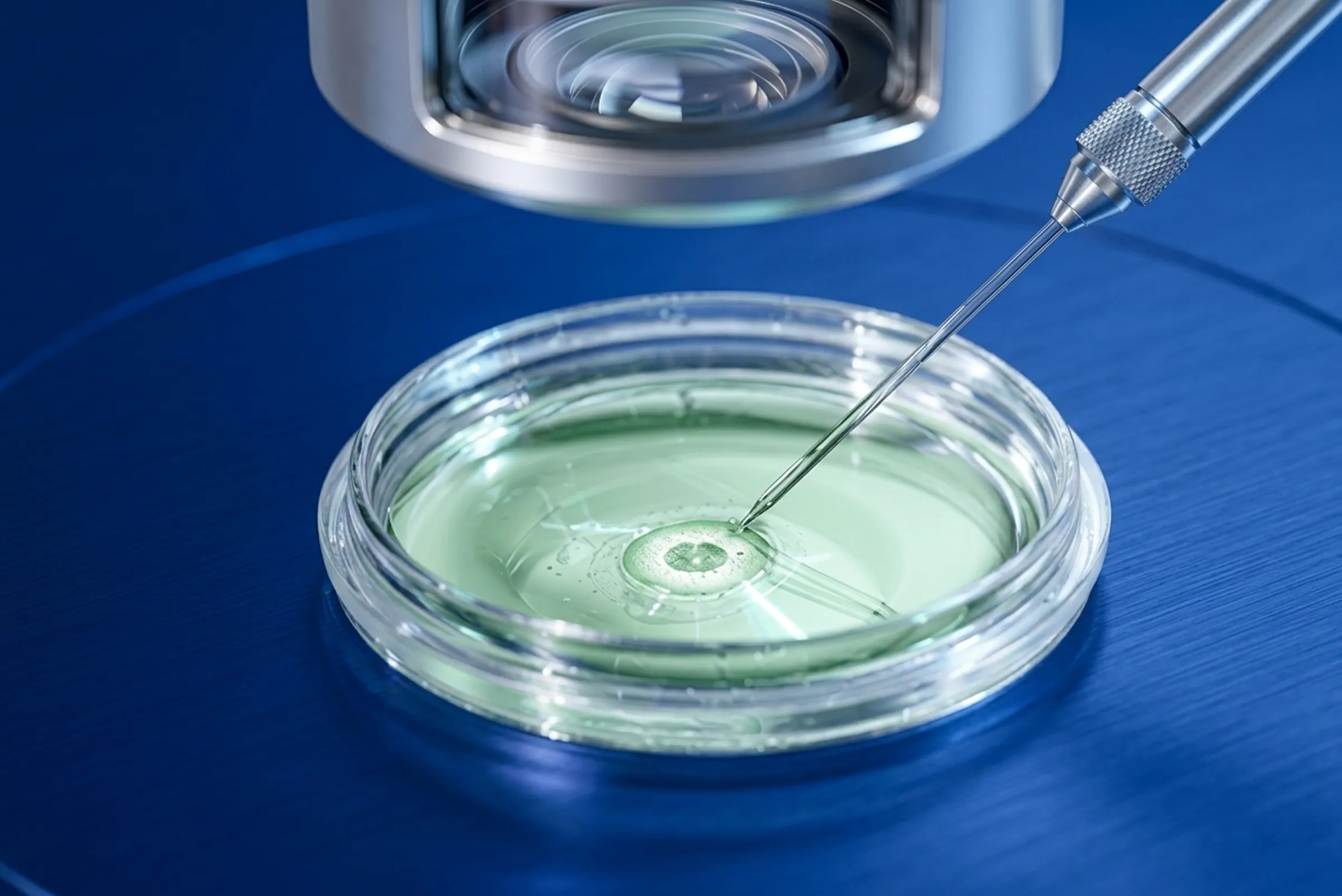
Bound sperm that have demonstrated physiological maturity through the HA binding process are identified and carefully selected by our embryologist for use in the subsequent ICSI microinjection step.
Selected sperm is injected into mature eggs under high-precision laboratory conditions to support fertilisation.
Embryos are cultured and monitored for development, quality and suitability before transfer or freezing.
The selected embryo is placed gently into the uterus with careful timing and ultrasound-guided precision.

PICSI selects sperm based on biological maturity and DNA integrity rather than appearance alone, resulting in a more informed and scientifically robust fertilization process.

By filtering out sperm with damaged or fragmented DNA through the HA binding process, PICSI lowers the risk of genetic abnormalities being carried into the resulting embryo.

Physiologically selected and biologically mature sperm have a meaningfully better chance of successfully fertilizing the egg, supporting higher and more reliable fertilization rates.

Embryos formed from HA-bound sperm tend to be of higher quality, demonstrating improved cell division, stronger developmental grading, and better blastocyst formation potential.

Better quality embryos resulting from PICSI selection are more likely to implant successfully in the uterine wall, improving the overall success rate of each IVF transfer cycle.

Using sperm with intact and undamaged DNA significantly lowers the likelihood of early pregnancy loss associated with chromosomal or genetic anomalies in the embryo.

PICSI adds no additional physical procedure or discomfort for the patient. It is an enhanced laboratory process carried out entirely during standard IVF and ICSI treatment.

Improved success rates per cycle reduce the total number of treatment cycles many patients need, making PICSI a sound and cost-effective investment for carefully selected patients.

PICSI is a well-established, clinically validated technique with an excellent safety profile supported by international research and peer-reviewed studies in reproductive medicine.

Knowing that the most scientifically robust biological sperm selection method has been applied provides couples with greater confidence and meaningful peace of mind throughout their fertility journey.


Eggs Successfully Frozen

Vitrification Survival Rate

Years of Experience

Support to Call

PICSI (Physiological Intracytoplasmic Sperm Injection) is an advanced sperm selection technique that uses a hyaluronic acid (HA) binding test to identify and select biologically mature sperm before fertilization. Hyaluronic acid is a naturally occurring substance found on the surface of mature eggs. In nature, only sperm with complete DNA and low genetic fragmentation can bind to it. The PICSI dish replicates this environment, and only sperm that successfully bind to the HA droplets, demonstrating true physiological maturity, are selected for injection into the egg.
In standard ICSI, sperm are selected based purely on visual appearance and motility under a microscope. PICSI adds a biological layer of selection using the hyaluronic acid binding test, identifying sperm based on their functional maturity and DNA integrity rather than appearance alone. IMSI uses ultra-high magnification to assess sperm morphology visually in far greater detail than standard ICSI. PICSI and IMSI address different aspects of sperm quality and can sometimes be used together for the most comprehensive sperm selection approach available.
PICSI is particularly recommended for couples with high sperm DNA fragmentation, repeated IVF or ICSI failures, recurrent miscarriages, poor embryo quality in previous cycles, or advanced paternal age where DNA fragmentation is more likely to be elevated. Clinical studies indicate that PICSI can improve fertilization rates, embryo quality, and implantation success in these specific patient groups. However, like all fertility treatments, PICSI does not guarantee pregnancy. Results vary between individuals and your specialist at Galwa Care Hospital will provide a realistic and honest assessment of expected outcomes.
Not at all. PICSI is entirely a laboratory-based process and involves no additional procedures, discomfort, or physical intervention for the patient beyond a standard IVF and ICSI cycle. The hyaluronic acid binding step typically takes 15 to 30 minutes and is carried out on the same day as egg retrieval and fertilization, adding no significant time to the overall treatment process. PICSI has an excellent safety profile and does not introduce any additional clinical risk to the egg, embryo, or patient at any stage.
Yes, in many cases. Even when sperm count is very low, PICSI helps identify the most biologically sound and mature sperm available within the limited sample, maximizing the quality of the fertilization outcome from whatever sperm are present. Frozen sperm that has been thawed and prepared in the laboratory can also be used effectively in PICSI, as the hyaluronic acid binding process works equally well with prepared thawed samples. Your specialist at Galwa Care Hospital will assess suitability based on your individual semen analysis results.