Shopping cart

Subtotal 0

View cartCheckout

PCOS & PCOD Jodhpur

Hormonal Imbalance Has a
Name and a Solution

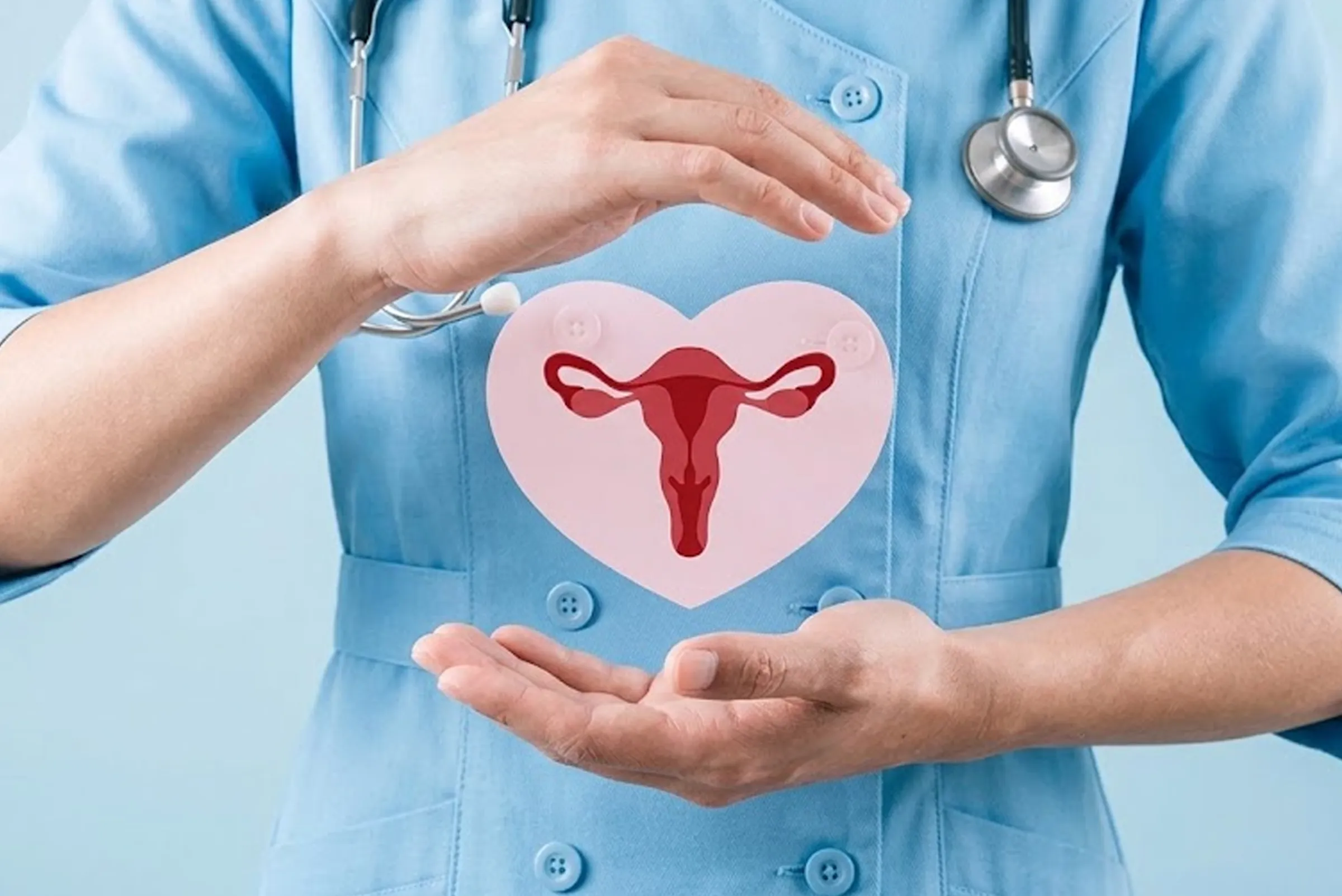
PCOD and PCOS can affect periods, weight, acne, hair growth, hormones, metabolism, ovulation, and fertility. While symptoms may look similar, the underlying hormonal and metabolic issues need proper evaluation instead of temporary self-management. At Galwa Care Hospital, Jodhpur, our specialists combine cycle assessment, hormonal testing, ultrasound evaluation, lifestyle guidance, metabolic screening, and fertility-focused treatment where required. The aim is not only symptom control, but long-term reproductive, hormonal, and metabolic health improvement for women.

Are You Facing These Issues?

Free Consultation
from our Consultants

Recognize the Signs, Seek the Right Care

Common Symptoms of PCOD and PCOS

PCOD and PCOS share several symptoms but differ significantly in severity and systemic impact.
Recognizing these signs early leads to faster diagnosis and more effective long-term management.

Irregular or Absent Menstrual Periods

Cycles longer than 35 days, very infrequent periods, or completely absent menstruation are among the most common and earliest signs of both PCOD and PCOS, reflecting disrupted ovulation and hormonal imbalance.

Unexplained Weight Gain

Mild to moderate weight gain in PCOD and significant central obesity resistant to diet and exercise in PCOS, both driven by elevated androgens and insulin resistance affecting the body’s ability to process glucose normally.

Acne and Oily Skin

Hormonally driven acne along the jawline, chin, and back is common in PCOD. In PCOS, acne is often more severe, persistent, cystic, and unresponsive to standard topical treatments due to significantly elevated androgen levels.

Excessive Hair Growth or Hair Loss

Mild facial or body hair growth occurs in PCOD. In PCOS, moderate to severe hirsutism affecting the face, chest, abdomen, and thighs is common, alongside significant scalp hair thinning or female-pattern baldness caused by androgen excess.

Difficulty Conceiving

PCOD causes irregular ovulation, making natural conception more challenging but generally achievable with support. PCOS causes chronic anovulation and is one of the leading causes of anovulatory infertility, often requiring specialist fertility treatment.

Insulin Resistance and Metabolic Changes

Mild insulin resistance may be present in PCOD. In PCOS it is commonly significant, causing elevated fasting blood sugar, skin darkening in body folds (acanthosis nigricans), abnormal cholesterol levels, and a high risk of progressing to Type 2 diabetes.

Comprehensive Treatment, Every Dimension Addressed

Treatment Approaches for PCOD and PCOS

PCOD and PCOS treatment is personalised around periods, hormones, skin symptoms, insulin resistance, fertility plans and long-term metabolic health.

Lifestyle & Weight Management

A low-GI diet, exercise, sleep correction, stress control and structured weight management improve insulin resistance, hormones and ovulation in many patients.

Hormonal & Medical Care

Cycle-regulating medicines, progesterone support, anti-androgen therapy and metformin are used where suitable to control periods, acne, hair growth and insulin resistance.

Ovulation Induction

For pregnancy planning, letrozole or clomiphene may stimulate ovulation. Follicle monitoring guides timing and improves chances of natural or assisted conception.

IUI & IVF Support

If simpler treatment fails or other infertility factors exist, IUI or IVF/ICSI may be advised with careful stimulation to reduce PCOS-related risks.

Ovarian Drilling

Selected medicine-resistant PCOS cases may benefit from laparoscopic ovarian drilling, helping reduce androgen activity and restore ovulation in suitable patients.

Skin & Metabolic Support

Dermatology, endocrine and counselling support address acne, excess hair, weight, glucose risk, mood concerns and body-image stress as part of complete care.

Treat the Condition, Protect Your Future

Benefits of Specialist PCOD and PCOS Management

With the right specialist care, PCOD and PCOS can be effectively controlled, fertility can be restored, and the serious
long-term health complications of untreated hormonal imbalance can be significantly reduced or prevented.

Restoration of Regular Menstrual Cycles

Targeted hormonal treatment restores predictable, regular menstrual cycles, eliminating the disruption, uncertainty, and long-term endometrial risk associated with chronic irregular or absent periods.

Improved Fertility and Conception Outcomes

Specialist ovulation induction, IUI, and IVF at Galwa Care Hospital give women with PCOD and PCOS the structured fertility support they need to achieve successful pregnancy with consistently strong clinical outcomes.

Significant Reduction in Androgen Symptoms

Targeted anti-androgen therapy and hormonal regulation meaningfully reduce acne, excessive hair growth, and scalp hair thinning, improving appearance, confidence, and quality of daily life.

Prevention of Type 2 Diabetes

Early and consistent management of insulin resistance through metformin, dietary intervention, and lifestyle modification significantly reduces the risk of progressing to prediabetes and Type 2 diabetes in PCOS patients.

Reduced Cardiovascular Risk

Management of dyslipidaemia, blood pressure, central obesity, and insulin resistance substantially reduces the elevated long-term cardiovascular risk that poorly managed PCOS carries for every affected woman.

Protection Against Endometrial Cancer

Regular menstrual regulation and endometrial monitoring prevent the chronic unopposed oestrogen exposure that drives endometrial hyperplasia and significantly elevates endometrial cancer risk in women with untreated PCOS.

Effective Weight Management Support

A structured, individualized low-GI dietary programme combined with exercise guidance and metabolic medical support helps patients achieve meaningful and sustainable weight loss that in turn improves hormonal balance.

Improved Mental Health and Emotional Wellbeing

Proactive psychological screening, access to counselling, and effective symptom management meaningfully reduce the depression, anxiety, and body image distress that affect up to 40% of women living with PCOS.

Comprehensive Metabolic Health Monitoring

Regular metabolic panels, endometrial assessment, cardiovascular risk screening, and diabetes surveillance protect every patient against the serious long-term complications of insufficiently managed PCOS over time.

Truly Personalised, Long-Term Care

Unlike generic hormonal prescriptions, personalised PCOD and PCOS management at Galwa Care Hospital is individually designed, regularly reviewed, and adapted as your health, goals, and life circumstances evolve.

Daily Habits That Make a Real Difference

PCOD and PCOS — Do's and Don'ts

Consistent lifestyle choices and medical compliance play a critical role in managing PCOD and PCOS effectively.
These daily recommendations work alongside your medical treatment to improve hormonal balance and long-term health.

DO'S — What You Should Do

Follow a low glycaemic index (low-GI) diet rich in whole grains and vegetables.

Exercise regularly with at least 150 minutes of moderate activity per week.

Take all prescribed medications consistently at the same time each day.

Attend all scheduled specialist follow-up appointments without skipping.

Monitor your menstrual cycle and report significant changes to your doctor.

Prioritize quality sleep of 7 to 9 hours per night to support hormonal regulation.

Manage stress actively through yoga, meditation, or structured counselling.

Maintain a healthy weight as even 5 to 10% weight loss improves PCOS significantly.

Undergo annual metabolic blood tests including fasting glucose and lipid profile.

Seek psychological support if you experience depression, anxiety, or body image concerns.

DONT'S — What You Should Avoid

Avoid refined sugar, processed carbohydrates, and high-GI foods that spike insulin.

Do not skip medications as hormonal management requires consistent daily compliance.

Avoid a sedentary lifestyle as physical inactivity worsens insulin resistance significantly.

Do not ignore irregular periods or dismiss them as normal without specialist evaluation.

Avoid crash dieting or extreme caloric restriction as it worsens hormonal imbalance.

Do not self-medicate with supplements or herbal remedies without medical guidance.

Avoid excessive caffeine and alcohol as both negatively affect hormonal balance.

Do not delay fertility consultation if you have been trying to conceive unsuccessfully.

Avoid comparing your progress with others as every woman's response is individual.

Do not treat PCOS as a minor inconvenience as it carries serious long-term health risks.

Multidisciplinary Expertise, Genuine Specialist Care

Comprehensive PCOD
and PCOS Care
Under One Roof

Specialist multidisciplinary team of gynaecologists, endocrinologists, dietitians, and counsellors

Accurate, comprehensive diagnosis based on Rotterdam criteria and full metabolic evaluation

Truly personalised treatment plans designed around your symptoms, goals, and health profile

Complete fertility support from ovulation induction through IUI and IVF with consistently strong outcomes

Advanced metabolic and endocrine management addressing insulin resistance and long-term disease risk

Dedicated nutritional, dermatological, and psychological support as integral parts of care

Long-term monitoring including annual metabolic panels, endometrial assessment, and cardiovascular screening

2000+

Eggs Successfully Frozen

98%

Vitrification Survival Rate

15+

Years of Experience

24/7

Support to Call

Affordable, Personalised, Long-Term Care

How Much Does PCOD and PCOS Treatment Cost?

The cost of PCOD and PCOS management at Galwa Care Hospital depends on the individual's specific condition, treatment pathway selected, investigations required, and whether fertility treatment is included. All pricing is communicated clearly and transparently upfront with no hidden charges.

Easy EMI Facility Available

Initial specialist consultation

Hormonal and metabolic blood tests

Pelvic ultrasound assessment

Prescribed medications

Dietary and lifestyle counselling

Fertility treatment (if required)

Long-term monitoring and follow-up

Easy EMI Facility Available

Shape Image

PCOD and PCOS Questions, Clearly Answered

Frequently Asked Questions.

No. While both involve ovarian cysts and hormonal imbalance, PCOD is a milder ovarian condition that is often reversible with lifestyle changes, whereas PCOS is a more serious systemic endocrine disorder requiring long-term medical management and carrying greater metabolic and fertility risks. PCOD can often be significantly improved or effectively controlled through lifestyle modification and hormonal support. PCOS is a chronic condition that cannot typically be fully cured, but its symptoms, hormonal imbalances, and metabolic risks can be effectively managed with consistent specialist care at Galwa Care Hospital.

Yes. Many women with PCOD conceive naturally with lifestyle support and minor medical intervention. Women with PCOS may need ovulation induction, IUI, or IVF, but with specialist fertility care at Galwa Care Hospital, successful pregnancy is entirely achievable for the majority of PCOS patients. The key is early specialist assessment, accurate diagnosis, and a personalised fertility treatment plan that addresses the specific hormonal and ovulatory challenges of each individual patient.

An ultrasound alone is not sufficient for a definitive PCOS diagnosis. According to the internationally recognised Rotterdam Criteria, at least two of three features must be present: irregular ovulation, clinical or biochemical hyperandrogenism, and polycystic ovaries on ultrasound. At Galwa Care Hospital, we conduct a full clinical, hormonal, and metabolic evaluation including hormonal blood panels, fasting insulin and glucose testing, thyroid function tests, AMH levels, and lipid profiling to ensure accurate, complete, and definitive diagnosis before any treatment plan is designed.

Both can be true and it is a bidirectional relationship. PCOS-driven insulin resistance promotes weight gain and fat storage, particularly around the abdomen. In turn, excess weight worsens insulin resistance and hormonal imbalance, creating a cycle that requires both medical and lifestyle intervention to break effectively. Even a modest 5 to 10% reduction in body weight has been shown to significantly improve hormonal balance, restore ovulation, and reduce insulin resistance in women with PCOS, making structured weight management a central component of every treatment plan at Galwa Care Hospital.

Yes, significantly. Chronic anovulation in PCOS leads to prolonged exposure of the uterine lining to unopposed oestrogen, significantly increasing the risk of endometrial hyperplasia and endometrial cancer. PCOS also carries substantially elevated long-term risks of Type 2 diabetes, cardiovascular disease, hypertension, dyslipidaemia, and non-alcoholic fatty liver disease. Up to 40% of women with PCOS experience clinical depression or anxiety. This is precisely why comprehensive, long-term specialist management at Galwa Care Hospital goes well beyond reproductive health to include regular metabolic monitoring, cardiovascular risk assessment, endometrial surveillance, and psychological wellbeing screening for every patient.

Appointment Request Form

Care Packages for Every Stage

Take the First Step Towards Better Care

Schedule your personalized consultation at Galwa Care Hospital to experience medical expertise combined with compassionate support for every patient journey
GALWA CARE