Advanced IVF, IUI & ICSI treatments with highest success rates — compassionate care for every step of your fertility journey.
State-of-the-art IVF lab, experienced embryologists and personalised protocols for the best possible outcomes.
Comprehensive care across pregnancy, fertility and advanced gynaecology — delivered with privacy, safety and compassion.
15+ years of expertise, advanced labs and personalised treatment plans.
Advanced facial & body cosmetic procedures by expert surgeons — natural results, minimal downtime, maximum confidence.
Board-certified surgeons delivering natural, beautiful results with the latest techniques.
Expert reconstructive & plastic surgery for hand, birth deformities, cancer reconstruction and trauma — restoring form and function with precision.
Advanced body contouring, breast surgeries & intimate procedures by expert surgeons — natural results, renewed confidence.
Advanced laser skin treatments, intimate wellness procedures & expert hair restoration — all under one roof.
State-of-the-art laser tech & hair restoration by certified specialists.
Comprehensive fertility, hormonal & genetic diagnostics for females and males — accurate, fast and confidential.
Diagnostic laparoscopy allows direct visual assessment of the uterus, tubes, ovaries and pelvis through a minimally invasive approach.
Our specialists use it to identify endometriosis, adhesions, blocked tubes, cysts or unexplained pelvic causes of infertility.
It gives clearer answers and can often combine diagnosis with treatment in the same planned procedure.
Endometriosis is a chronic condition where tissue similar to the uterine lining grows outside the uterus, causing pain, inflammation, and adhesions. Since even severe endometriosis can appear normal on ultrasound, Diagnostic Laparoscopy is the only definitive method to confirm it, accurately assess its stage, and treat it in the same procedure.
When PID fails to respond to antibiotics or presents with abscess formation, Diagnostic Laparoscopy is essential to confirm the diagnosis, assess the extent of infection, drain any abscess, and collect samples for targeted culture-guided treatment to prevent permanent tubal damage.
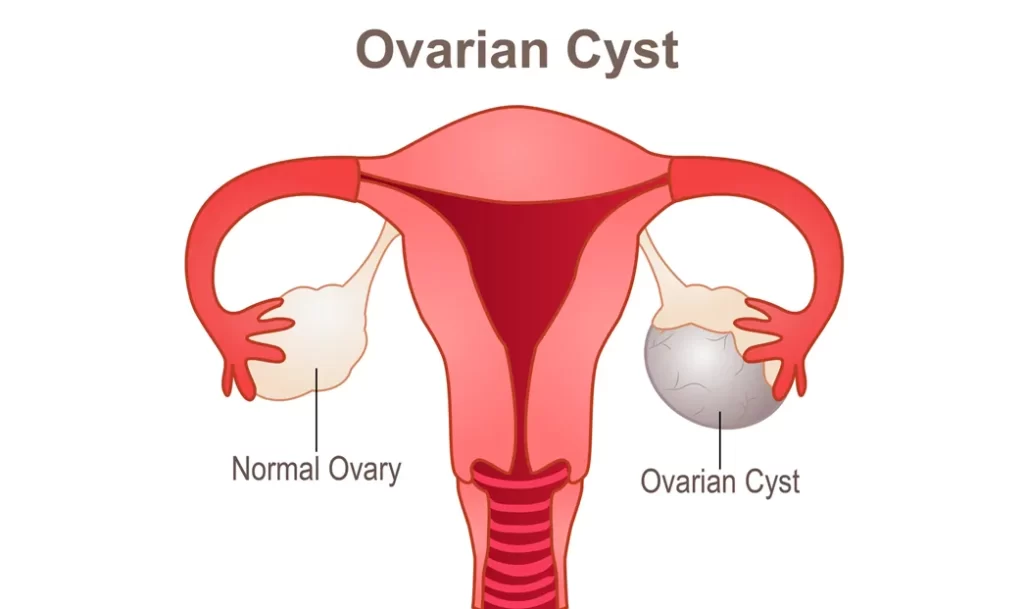
Laparoscopy allows surgeons to directly assess ovarian cysts, obtain a tissue biopsy if needed, and excise the cyst entirely while preserving healthy ovarian tissue with maximum precision, something ultrasound alone can never achieve however advanced the imaging technology.
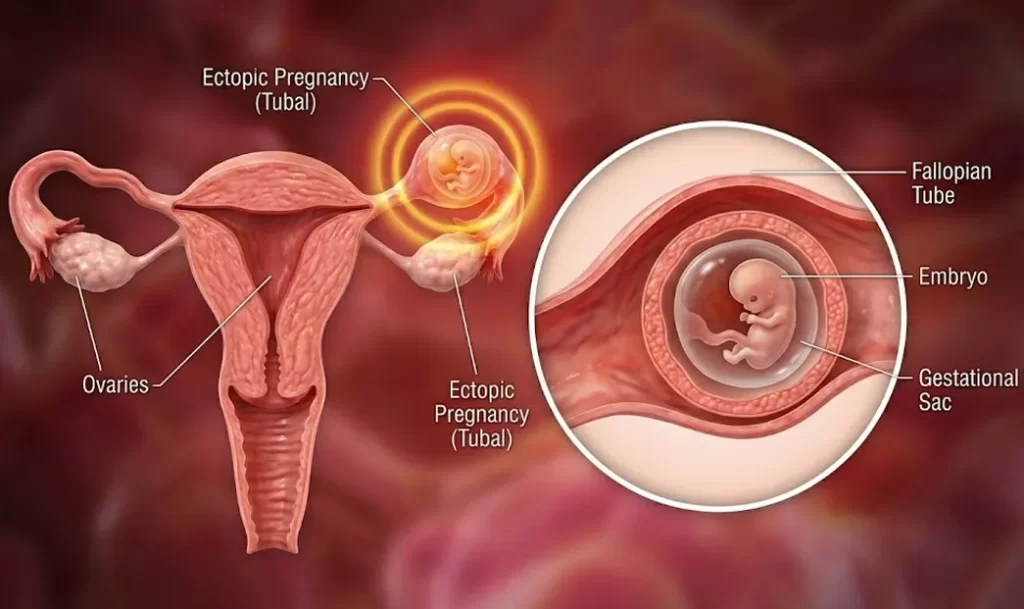
An ectopic pregnancy is a gynaecological emergency that risks tubal rupture and life-threatening haemorrhage. When ultrasound findings are inconclusive, Diagnostic Laparoscopy provides immediate visual confirmation and allows surgical treatment in the same urgent procedure without delay.
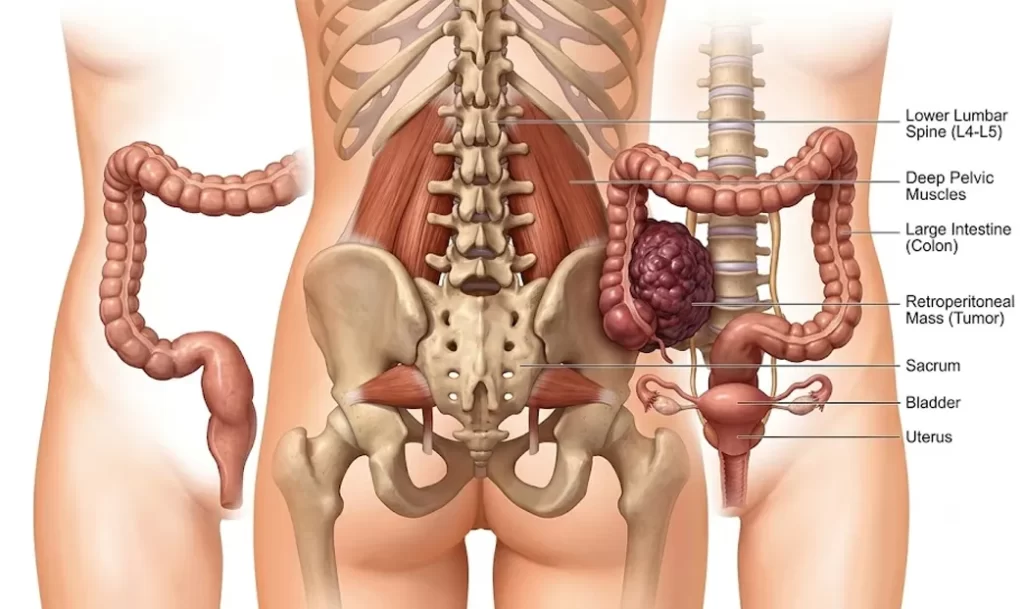
Abdominal and pelvic tumours require accurate characterisation before any treatment decision can be made. Laparoscopy allows direct visualisation of a suspicious mass, assessment of its origin and extent, and targeted tissue biopsy for histopathological diagnosis with minimal surgical trauma and rapid recovery.
When persistent or unexplained pelvic pain has not been adequately explained by prior investigations, Diagnostic Laparoscopy directly identifies pelvic adhesions, structural distortion, or pathology invisible to imaging that is the true source of the patient’s symptoms.
Medical history, fertility status and goals are reviewed so the safest, most suitable treatment plan can be personalised.
Anaesthesia is given as required so the procedure remains safe and comfortable.
Small ports are placed carefully to allow safe laparoscopic access and clear pelvic assessment.
Carbon dioxide gently expands the abdomen, improving visibility for accurate laparoscopic evaluation.
The pelvis, uterus, tubes and ovaries are examined systematically to identify fertility-related concerns.
Sperm is retrieved directly from the epididymis or testis using the planned surgical technique.
Ports are closed neatly and recovery is monitored before safe discharge with clear after-care advice.

Laparoscopy provides direct, real-time, magnified visualisation of the pelvic organs that surpasses the diagnostic capability of any external imaging modality including MRI, ultrasound, and CT scanning for gynaecological and pelvic conditions.

Endometriosis, pelvic adhesions, and early-stage ovarian or tubal pathology frequently produce normal ultrasound and MRI findings. Laparoscopy identifies these conditions with a certainty that non-invasive investigations simply cannot provide.

In many cases, the condition identified during Diagnostic Laparoscopy can be surgically treated in the same sitting, eliminating the need for a separate operative procedure, reducing the overall clinical and emotional burden on the patient.

Tiny keyhole incisions, same-day or next-day discharge, and return to light activities within 3 to 5 days make Diagnostic Laparoscopy one of the most patient-friendly surgical diagnostic procedures available in modern gynaecology.

For women with unexplained infertility, laparoscopy directly assesses tubal patency, pelvic adhesions, endometriosis, and uterine surface abnormalities, providing the fertility specialist with the complete pelvic picture needed to design the most effective treatment plan.

When a suspicious lesion or ovarian mass is identified, laparoscopy allows targeted tissue biopsy for definitive histopathological diagnosis, guiding oncological treatment decisions with accuracy that imaging-based assessment alone cannot achieve.

For women who have undergone multiple investigations without a clear answer, Diagnostic Laparoscopy provides the definitive clinical clarity that ends the cycle of inconclusive tests and uncertain management, replacing uncertainty with a clear and actionable diagnosis.

In acute presentations including suspected ectopic pregnancy or ovarian torsion, emergency laparoscopy provides simultaneous diagnosis and life-saving surgical treatment in a single, time-critical procedure without the delay of further imaging or investigations.

When performed by experienced laparoscopic surgeons as at Galwa Care Hospital, the overall complication rate of Diagnostic Laparoscopy is very low, with the vast majority of patients experiencing a smooth, straightforward procedure and uncomplicated recovery.

The detailed, direct findings of a Diagnostic Laparoscopy form the most reliable foundation for every subsequent treatment decision, ensuring that medical or surgical management is based on confirmed, first-hand clinical evidence rather than assumptions or indirect inference.


Eggs Successfully Frozen

Vitrification Survival Rate

Years of Experience

Support to Call

Diagnostic Laparoscopy is a minimally invasive surgical procedure that uses a high-definition camera inserted through a tiny abdominal incision to directly visualise the pelvic and abdominal organs in real time. It is recommended even when imaging results are normal because conditions such as endometriosis, pelvic adhesions, and early tubal disease frequently produce no detectable changes on ultrasound or MRI. Direct laparoscopic visualisation provides a level of diagnostic certainty and anatomical detail that no external imaging investigation can match, making it the gold standard when a definitive answer is clinically essential.
Yes, Diagnostic Laparoscopy is performed under general anaesthesia. You will be completely asleep throughout the procedure and will experience no pain or awareness during surgery. After the procedure, most women experience only mild discomfort around the small incision sites and a temporary shoulder tip pain caused by residual carbon dioxide gas beneath the diaphragm, which is common and resolves within 24 to 48 hours. Post-operative pain is well managed with oral pain relief medications and most patients describe their recovery as significantly more comfortable than they anticipated.
Yes, in many cases. This is one of the most important clinical advantages of Diagnostic Laparoscopy. If an abnormality such as an endometriotic lesion, ovarian cyst, pelvic adhesion, or ectopic pregnancy is identified during the diagnostic examination, a surgical treatment step can be performed immediately in the same procedure using instruments introduced through the additional small ports. This eliminates the need for a second separate operation, significantly reducing the overall clinical, emotional, and financial burden on the patient.
The procedure itself typically takes between 30 and 60 minutes depending on the findings and whether any additional surgical steps are required. Most patients are discharged the same day or after a single overnight stay at Galwa Care Hospital. Return to light daily activities is typically possible within 3 to 5 days. Strenuous exercise, heavy lifting, and return to physically demanding work are usually deferred for 1 to 2 weeks. Your surgeon will provide a specific, personalised recovery timeline based on the findings of your individual procedure and any additional surgical steps performed.
Diagnostic Laparoscopy is a safe procedure when performed by experienced laparoscopic surgeons, as at Galwa Care Hospital. The main risks include temporary shoulder discomfort from residual gas (common and self-resolving), mild incision site discomfort, a rare risk of inadvertent injury to surrounding structures such as the bowel or bladder, and the very rare need for conversion to open surgery. At Galwa Care Hospital, these risks are significantly minimised through thorough pre-operative assessment, experienced surgical technique, advanced high-definition laparoscopic equipment, expert anaesthesiology monitoring, and strict sterile operative protocols throughout every procedure.